Growth Multiplied 15 Years of 10,000 small businesses
Begin impact journey
Download Report
15 YEARS OF 10,000 SMALL BUSINESSES
This site is not optimized for mobile devices, and is best experienced on a desktop display.
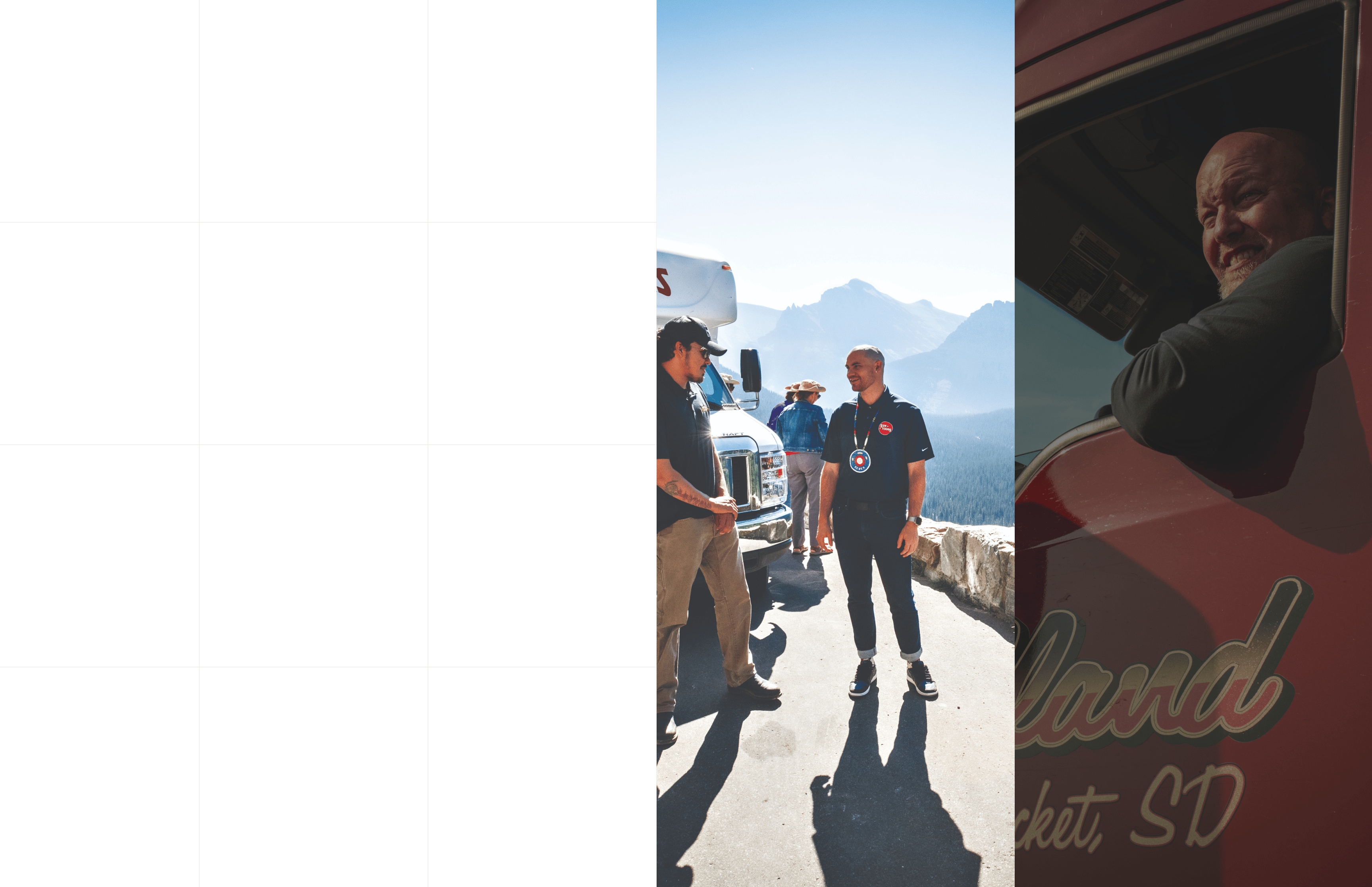
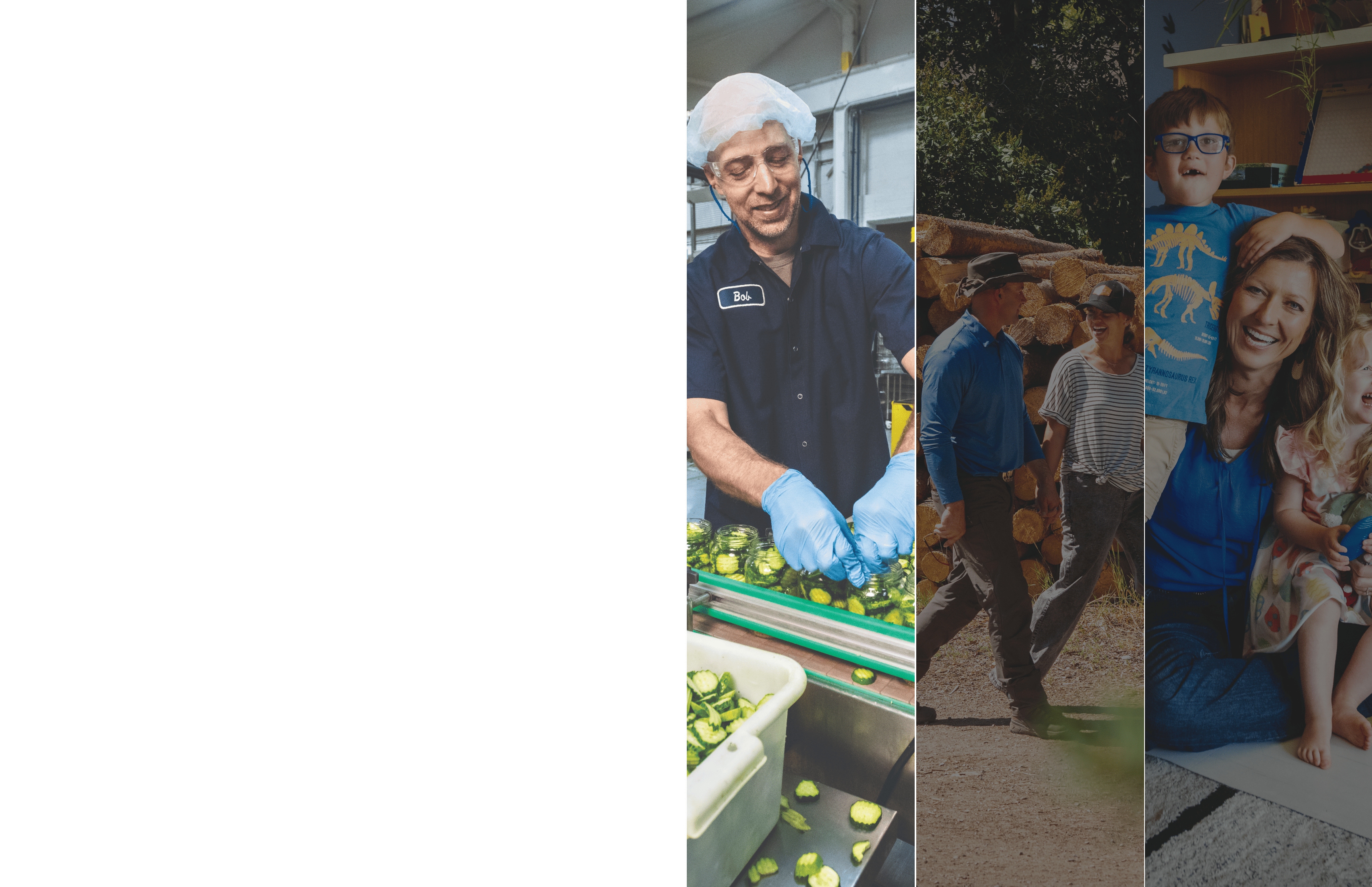
Watch the Case Study Films
Rhys Powell
Red Rabbit
NEW YORK CITY, NY
Mathew Wong
Tea and Milk
Lucy Cardenas
Red Iguana
SALT LAKE CITY, UT
Casey Bevan
Ferreus Industries
Bob McClure
McClure's Pickles
DETROIT, MI
Anna Huthmaker
Huthmaker Violins
ATLANTA, GA
Jorge Ojeda
HAWK Construction
EL PASO, TX
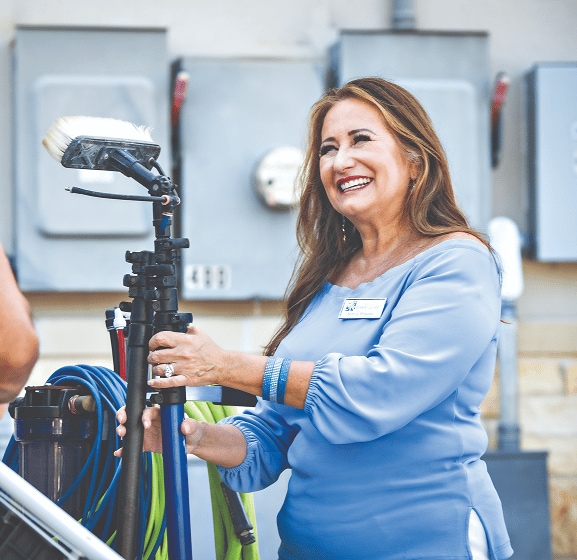
Sonya Brazeal
Amazing Window Cleaners
MONTGOMERY, TX
Jessica Dehn
Dino Drop-In
BOZEMAN, MT
Mark Stosich
Stosich Inc.
LIMA, MT
Small Business. Big Impact.
For 15 years, Goldman Sachs 10,000 Small Businesses has helped generate economic growth and opportunity by investing in small business growth across the U.S. Over 17,000 graduates from all 50 states, Washington D.C., and four U.S. Territories Graduates employ 327,000+ people Graduates' total annual revenue is $29B+
What’s more, graduates' growth has contributed an estimated additional $27B and 149K jobs to the American economy.
INTRO
IMPACT ON U.S.
IMPACT ON COMMUNITIES
IMPACT ON SMALL BUSINESSES
IMPACT ON ENTREPRENEURS
View Table of Contents
Table of Contents
Impact on Small Businesses
Impact on Entrepreneurs
Looking Forward
Leadership
Confidence
Financial Wellbeing
Multiple Businesses
Impact on Communities
Rural Communities
Community College Partnerships
A Powerful Network
Graduates Giving Back
Investing in Opportunity
•
Why we Partner with Local Colleges
Rural Economic Growth & Opportunity
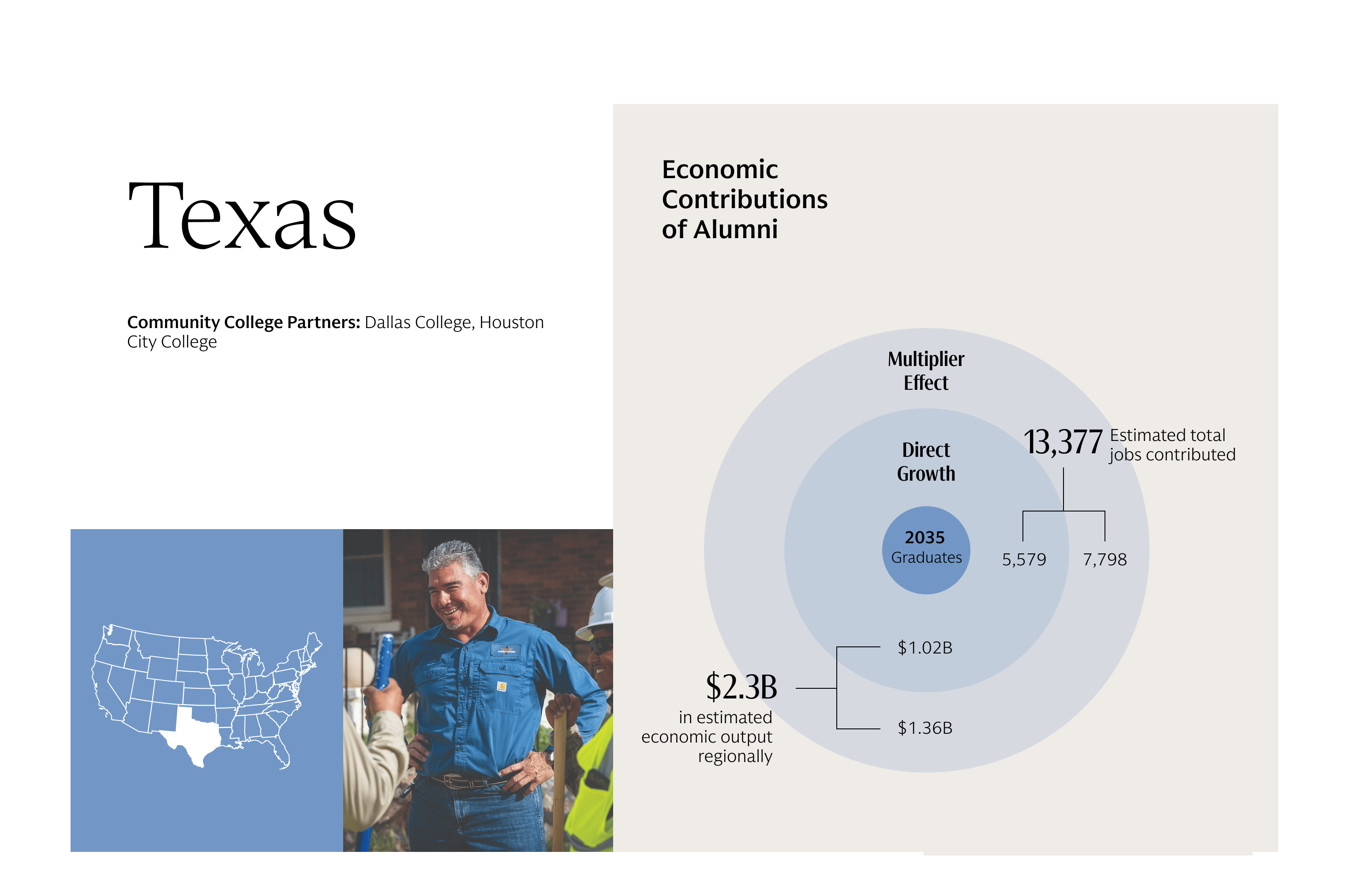
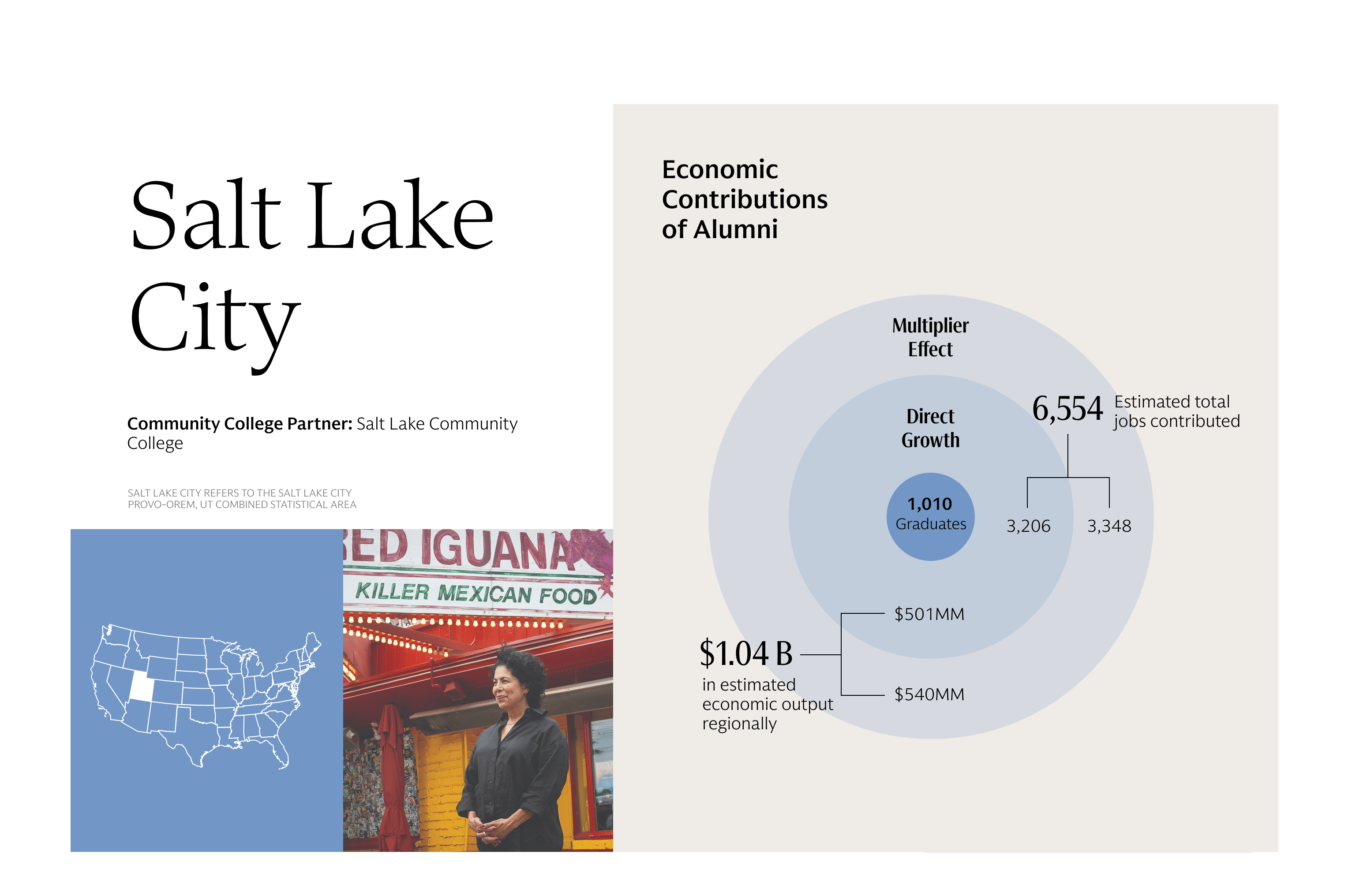
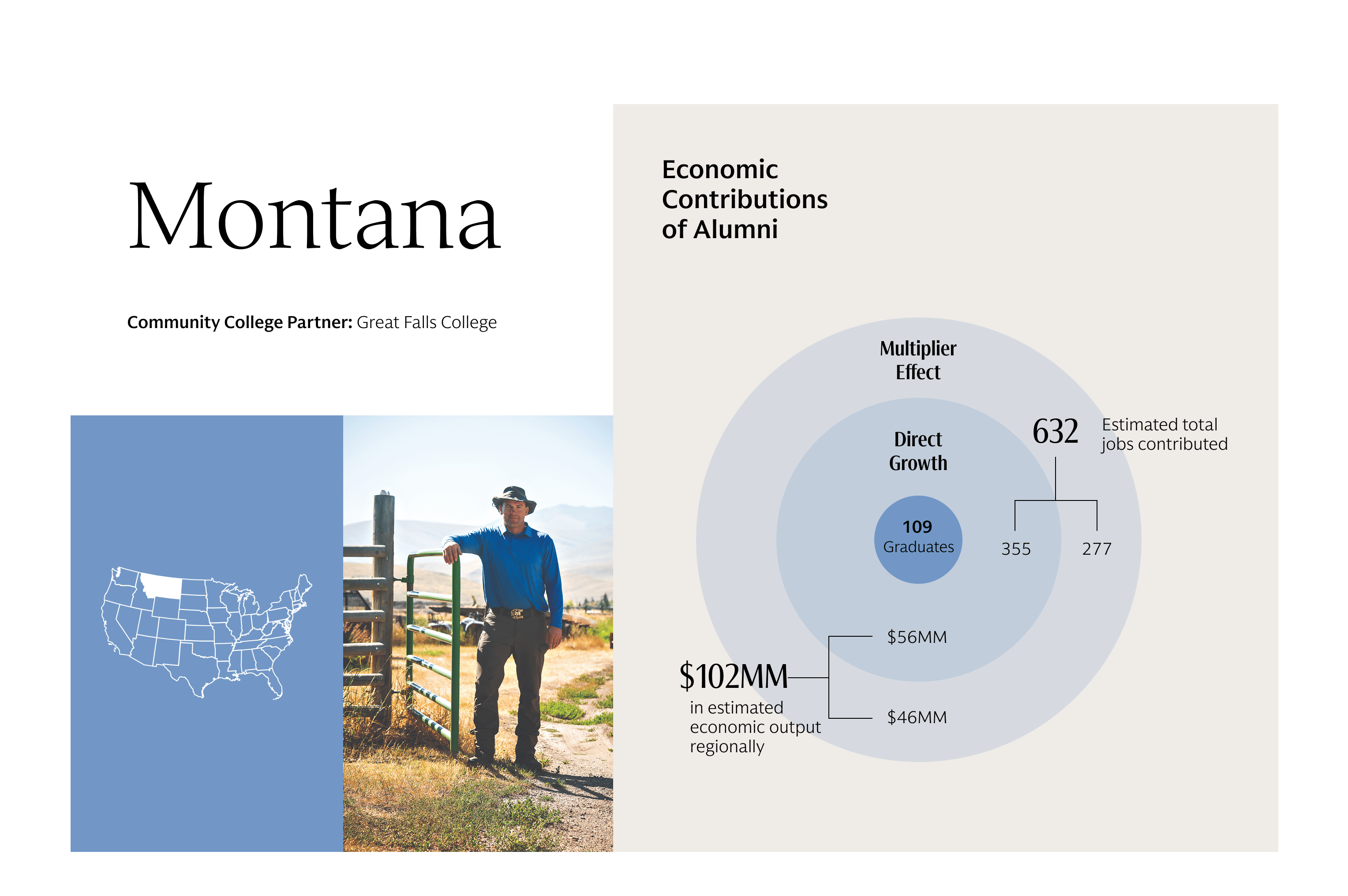
Goldman Sachs 10,000 Small Businesses’ Economic Output
Detroit
Montana
Texas
New York
Salt Lake
Home
Intro
Small Business, Big Impact
Measuring the Impact of 10,000 Small Businesses
Methodology
Why Small Businesses?
The Bold Investment
The Proven Model
Impact on U.S.
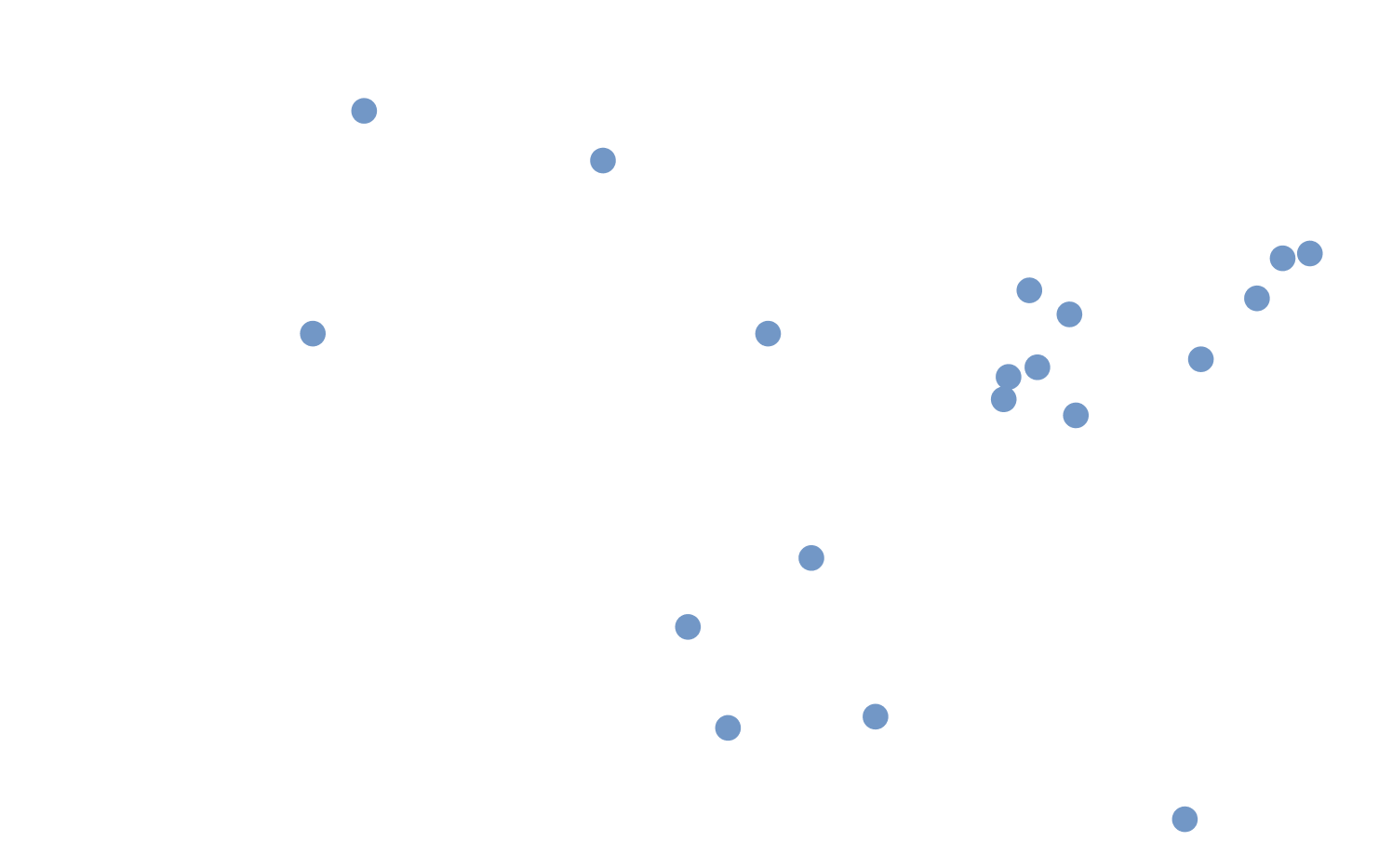
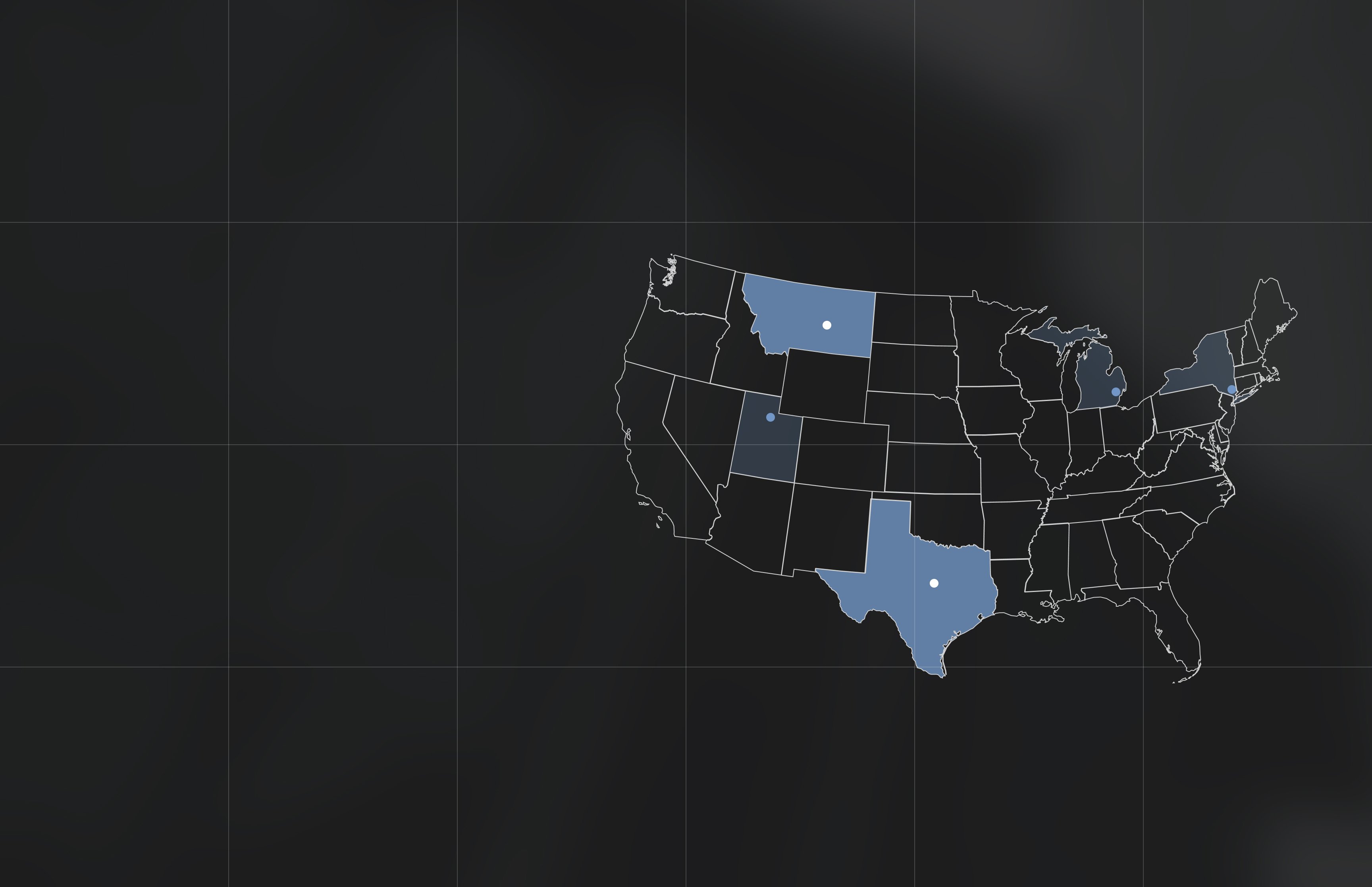
Case Study Map
Impact Multiplied
Driving Value for a Variety
Growth
Strategy
Resilience
Family-Owned Businesses
Manufacturing
Childcare
Small Business Owners are Harnessing Artificial Intelligence to Grow
Access to Capital
With this year’s program anniversary, Goldman Sachs 10,000 Small Businesses set out to measure how our long-term investment in entrepreneurs has impacted small businesses, communities, and the nation at large. We examined 15 years of graduate survey results, interviewed alumni, and commissioned new economic analyses to understand the many ways alumni impact their communities and the broader economy.. See the methodology. The findings demonstrate that 10,000 Small Businesses is not only a defining life experience for small business owners, but one that catalyzes multiplying impacts.
BACK
NEXT
KEY FINDING
Community college partners across the country report that the program has positively impacted and catalyzed new investments in their institutions
Alumni consistently create jobs and help the economy grow, well beyond their own businesses.
Over the last ten years, the average annual job growth rate for graduates of 10,000 Small Businesses is four times higher than for similarly-sized U.S. businesses
Alumni have contributed an additional estimated $27B and 149K jobs to the U.S. economy after graduating
74% of alumni give back to their communities
84% of graduates do business together
Over 70% of graduates are leveraging AI in their business
Community college partners across the country report that collaborating with Goldman Sachs to deliver the program catalyzes additional funding and partnerships.
The average annual job growth rate among graduates of 10,000 Small Businesses is significantly higher than similarly sized U.S. businesses.
10,000 Small Businesses drives economic impact across a variety of industries and geographies—from urban centers to rural communities.
Graduates benefit from deep and enduring collaboration within the 10,000 Small Businesses alumni network.
Graduates experience increased confidence, which positively correlates to capital access and serial entrepreneurship.
Participating small business owners are embracing and leveraging AI.
Insights shared in the Goldman Sachs 10,000 Small Businesses 15-year anniversary report, “Growth Multiplied,” were gathered through a series of surveys and analyses. These are delineated here. Primary Data Primary data from 10,000 Small Businesses program alumni was collected and analyzed via a series of surveys, longitudinal measurement & evaluation (M&E), and interviews. The 15-Year Anniversary Survey was distributed to all program alumni in Summer 2025, with a response rate of 14.9% (2,583 responses out of 17,298). Longitudinal M&E data encompasses 15 years of data collected via a series of longitudinal surveys conducted by Babson College, administered to 10,000 Small Businesses participants at baseline (i.e., prior to entering the program), graduation, six months after graduation, 18 months after graduation, and 30 months after graduation. Descriptive statistics were determined using the total number of respondents during the period (N=17,298). For certain longitudinal analyses, the sample was further defined to respondents who completed all M&E surveys across the study period (N= up to 5,395 respondents). Further insights and case studies were drawn from qualitative data collected through interviews with program participants and program organizers. College Partner Survey Additional primary data was collected via a survey administered to program delivery college partner staff in Summer 2025 (158 responses, 18 of 19 partnering institutions represented). Economic Contribution Analysis In addition to primary data, an Economic Contribution analysis was designed to estimate the economic effects generated by the growth of participants in the Goldman Sachs 10,000 Small Businesses program, referred to in this report as “the 10KSB effect.” The analysis employs the Regional Input-Output Modeling System (RIMS II), developed by the Bureau of Economic Analysis, which enables the translation of direct employment effects into comprehensive regional economic contributions. The RIMS II analysis focused on outcomes observed in the M&E data 18 months after graduation and includes all program participants whose 18-month measurement date falls between 2011 and June 2025.
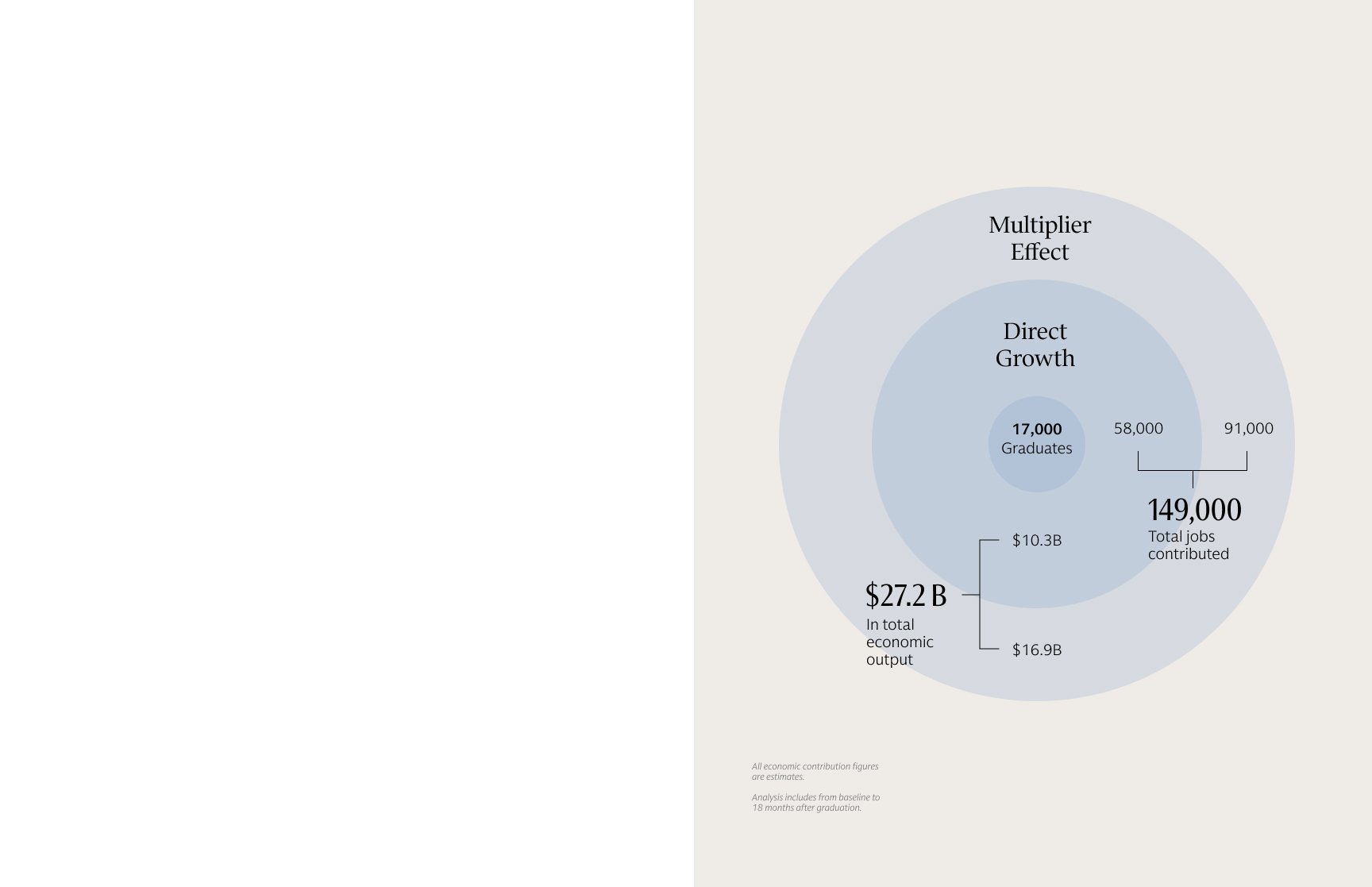
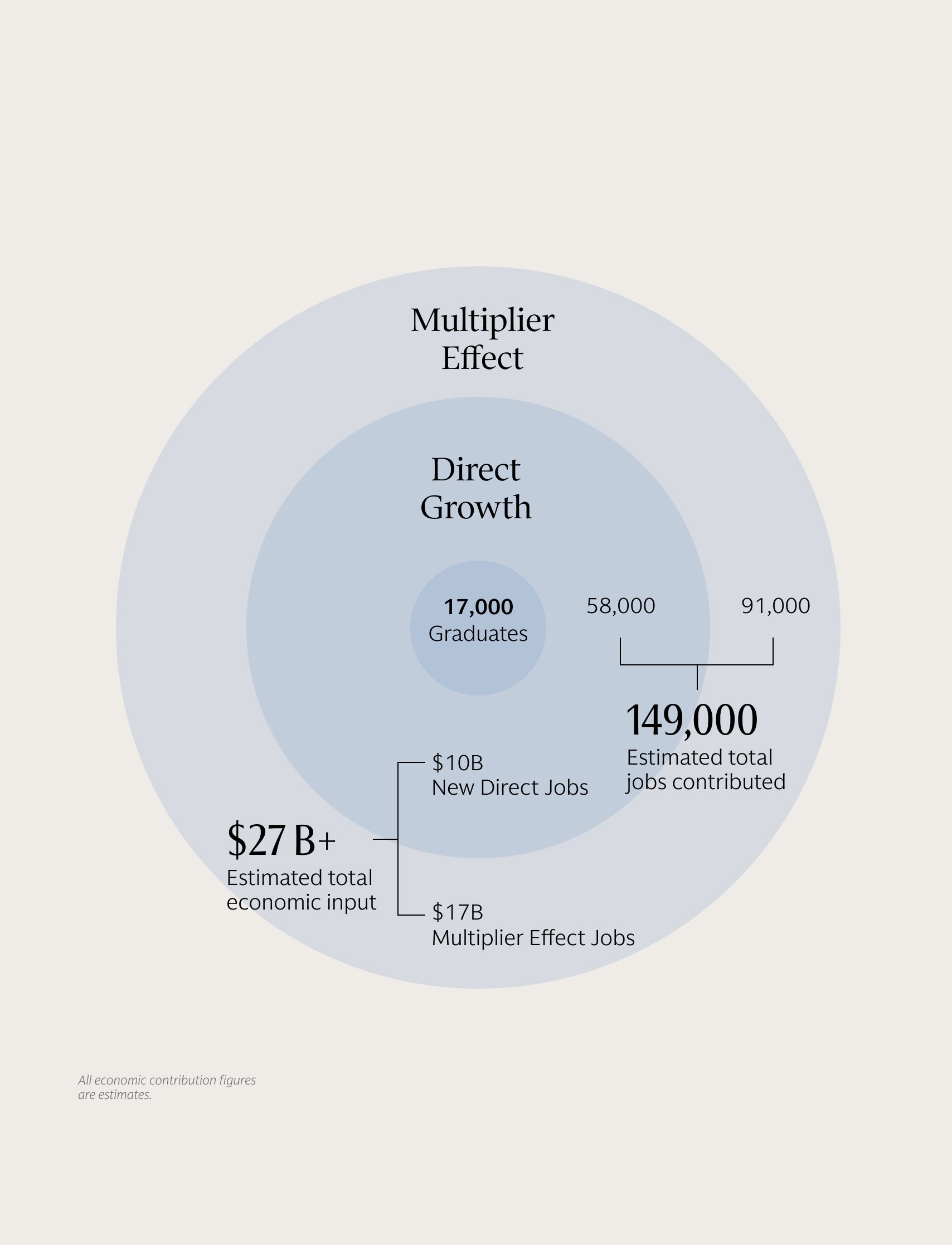
The analysis includes businesses that reported a net increase in employment during the reference period. This analysis presents the estimated economic effects through two key economic indicators: employment and economic output. It finds that program participants' growth generated an estimated $27.2 billion in total economic output and an estimated 149,000 total jobs to the U.S. economy, comprising 58,000 new direct jobs and 91,000 indirect and induced jobs. In this report, “direct jobs” describes new jobs created by program graduates during the measurement period. “Multiplier effect jobs” describes the sum of indirect jobs (those created through the supply chain of graduates’ enterprises) and induced jobs (those created by employee spending). A comparative analysis between 10,000 Small Businesses graduates and other small businesses in the U.S. offers evidence that 10,000 Small Businesses graduates have, on average, outperformed similarly sized U.S. businesses in job growth over a ten-year period. The comparative analysis defined two groups as quasi “treatment” and “control” groups where the treatment group represents the 10,000 Small Businesses set of graduate firms and the control group represents non-graduates who are similarly sized national firms from the same time period. Control group data come from the Bureau of Labor Statistics and their Quarterly Census of Employment and Wages (QCEW) between 2014– 2024. During that time, the average annual job growth rate among the treatment group was 6.6%, which exceeded the control group growth of 1.5% by more than four times. Due to data constraints, the findings do not account for differences between 10,000 Small Businesses graduates and the broader U.S. comparison group, including differences in when employment data are collected, industry composition, geographic distribution, and other firm characteristics. In addition to a national analysis, an economic contribution analysis was conducted across five regional areas. Three regions (Detroit, New York City, and Salt Lake City) employ Census Combined Statistical Area (CSA) boundaries: Detroit-Warren-Ann Arbor, MI; New York-Newark, NY-NJ-CT-PA; and Salt Lake City Provo-Orem, UT. CSAs are Census Bureau geographic designations that combine multiple metropolitan and micropolitan statistical areas with significant economic integration, capturing broader regional economic relationships beyond individual metropolitan boundaries. Two regions, Texas and Montana, employ state-level boundaries to capture program participants across multiple areas not encompassed by CSAs. Regional analyses include all 10,000 Small Businesses participant businesses located within each geographic boundary, regardless of their program participation location.
Goldman Sachs 10,000 Small Businesses is a story about one of America's greatest resources: its small business owners. Small businesses have long been our nation’s engines of economic growth, innovation, and job creation. But small businesses face unique challenges: many entrepreneurs struggle to grow, find and retain talent, or access capital.
99.9%
46%
~44%
of all U.S. businesses are small businesses 1
of private sector employees work in a small business
Small businesses account for ~44% of U.S. Gross Domestic Product 2
2.
U.S. Small Business Administration Office Of Advocacy. (2024). Frequently Asked Questions About Small Business.
1.
U.S. Small Business Administration Office Of Advocacy, (2025). 2025 Small Business Profile.
In 2010, Goldman Sachs made a bold investment in U.S. small businesses—committing what is now $750MM to empower entrepreneurs nationwide with a no-cost, high-quality business education, robust advisory support, and access to capital.
Learn about our Proven Model
A Proven Model
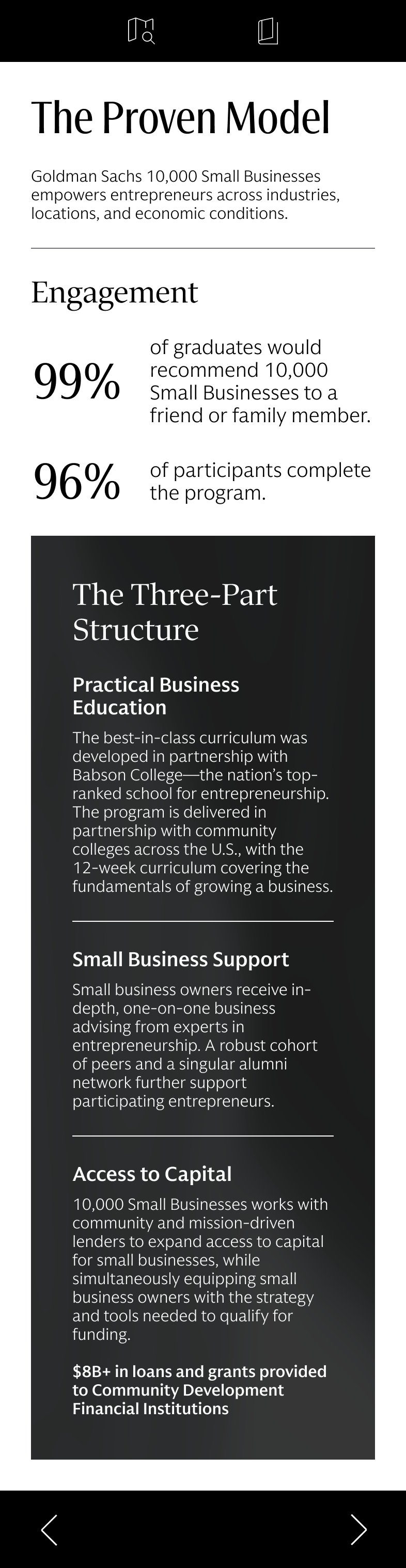
Goldman Sachs 10,000 Small Businesses empowers entrepreneurs across industries, locations, and economic conditions.
Engagement
99%
of graduates are likely to recommend 10,000 Small Businesses to a friend or family member
96%
of participants graduate
The Three-Part Structure
Practical Business Education
The best-in-class curriculum is delivered in partnership with community colleges across the U.S., with the 12-week program focused on financials, operations, and business leadership.
Small business owners receive in-depth, one-on-one business advising from experts. A robust cohort of peers and a singular alumni network further support participating entrepreneurs after graduation.
Small Business Support
10,000 Small Businesses works with community and mission-driven lenders to expand access to capital for small businesses, while simultaneously equipping small business owners with the strategy and tools needed to apply for funding. Since the founding of the program, Goldman Sachs has committed more than $2.7B in loans to Community Development Financial Institutions.
Alumni from 10,000 Small Businesses demonstrate that an investment in small businesses is indeed an investment in America’s economic growth.
But, more than that, Goldman Sachs 10,000 Small Businesses is a multiplying investment in America’s small business owners: their leadership, their small businesses, and their communities.
Impact on the U.S.
Since its launch in 2010, Goldman Sachs 10,000 Small Businesses has had a substantial reach
See Our Case Study Map
Graduates from all 50 states, Washington D.C., and four U.S. territories
17,000+
Academic and community college partners
19
People employed by graduates
327,000+
Graduates' total annual revenue
$29B+
The "10KSB Effect"
Beyond the direct impacts of total revenue and employment, graduates of 10,000 Small Businesses have also had a profound multiplier effect on communities and economies across the U.S.
Graduates' growth has contributed an estimated additional $27B+ and 149K jobs to the economy.
And graduates' businesses are growing much faster than the average U.S. business: Over the past 10 years, the average annual job growth rate among graduates of 10,000 Small Businesses was four times that of similarly sized U.S. businesses. See Methodology (accessible in the Table of Contents) for more information.
IMPACT ON THE U.S.
U.S. benchmark sourced from the Bureau of Labor Statistics Quarterly Census of Employment and Wages (QCEW) between 2014 and 2024.
5.
Goldman Sachs 10,000 Small Businesses amplifies local impact in communities through deep partnerships with community colleges, a robust alumni network, and graduates’ commitment to giving back.
Read About Our Alumni in Rural Communities
of alumni give back to their communities
74%
graduates believe that their business has a positive impact on the local economy
4 in 5
Rural small businesses are the lifeblood of their communities. They employ more than half of their community’s workers, provide vital community support, and generate outsized local economic impact. Rural graduates of 10,000 Small Businesses are more likely to say their small business positively impacts their local economy and to give back to their communities.
Investing in opportunity
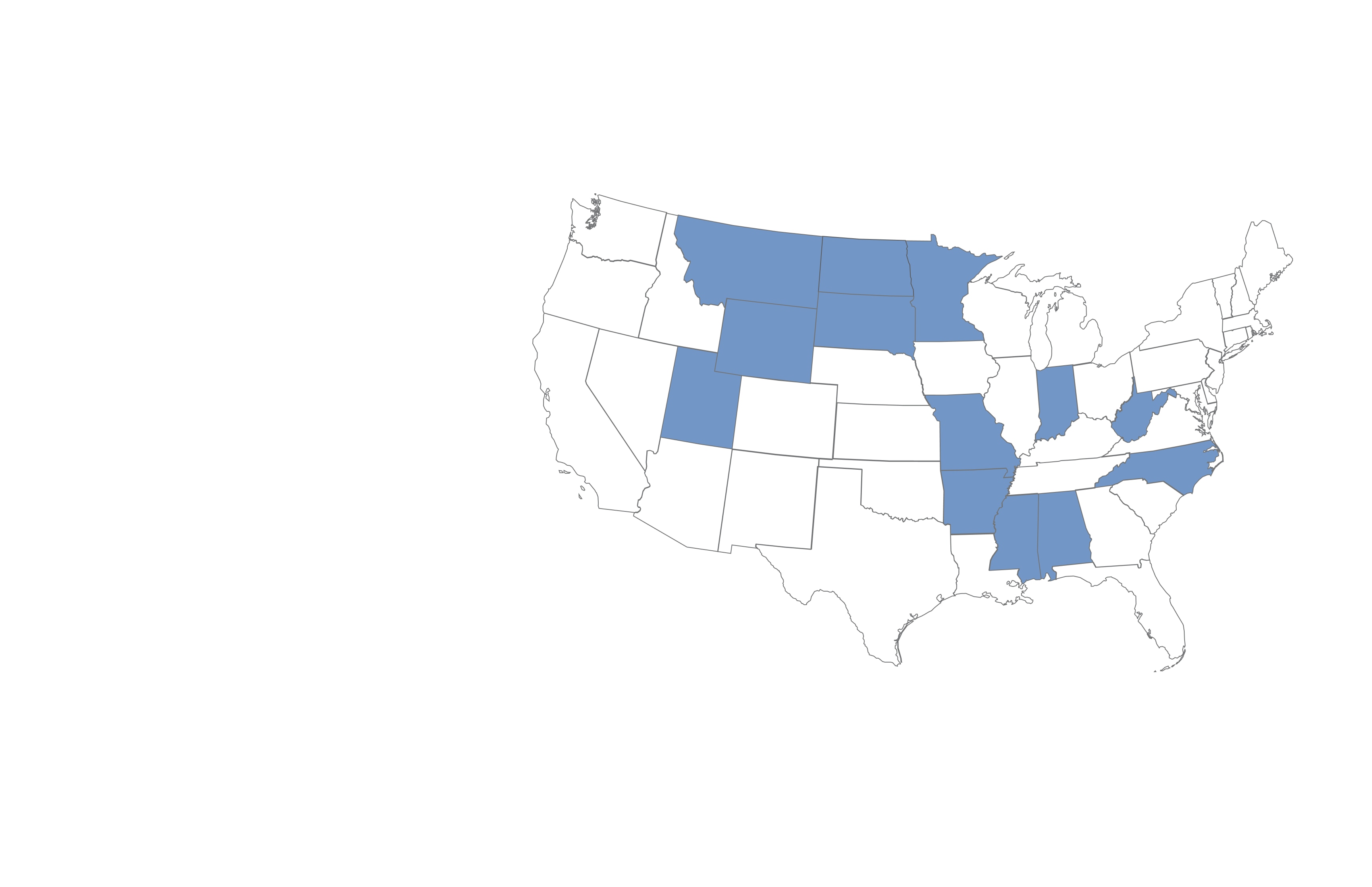
In 2023, Goldman Sachs announced a $100MM investment to bring 10,000 Small Businesses to more rural communities. To date, 10,000 Small Businesses has expanded into 13 states with a focus on reaching rural small businesses and will expand into 20 total states through 2028.
Despite the myriad challenges in operating their businesses, rural graduates of 10,000 Small Businesses are optimistic.
88%
report their business is currently profitable
1 in 2
graduates have expanded their business with a new service or product line
66%
feel more confident about applying for capital
60%
believe their chances of receiving capital have improved
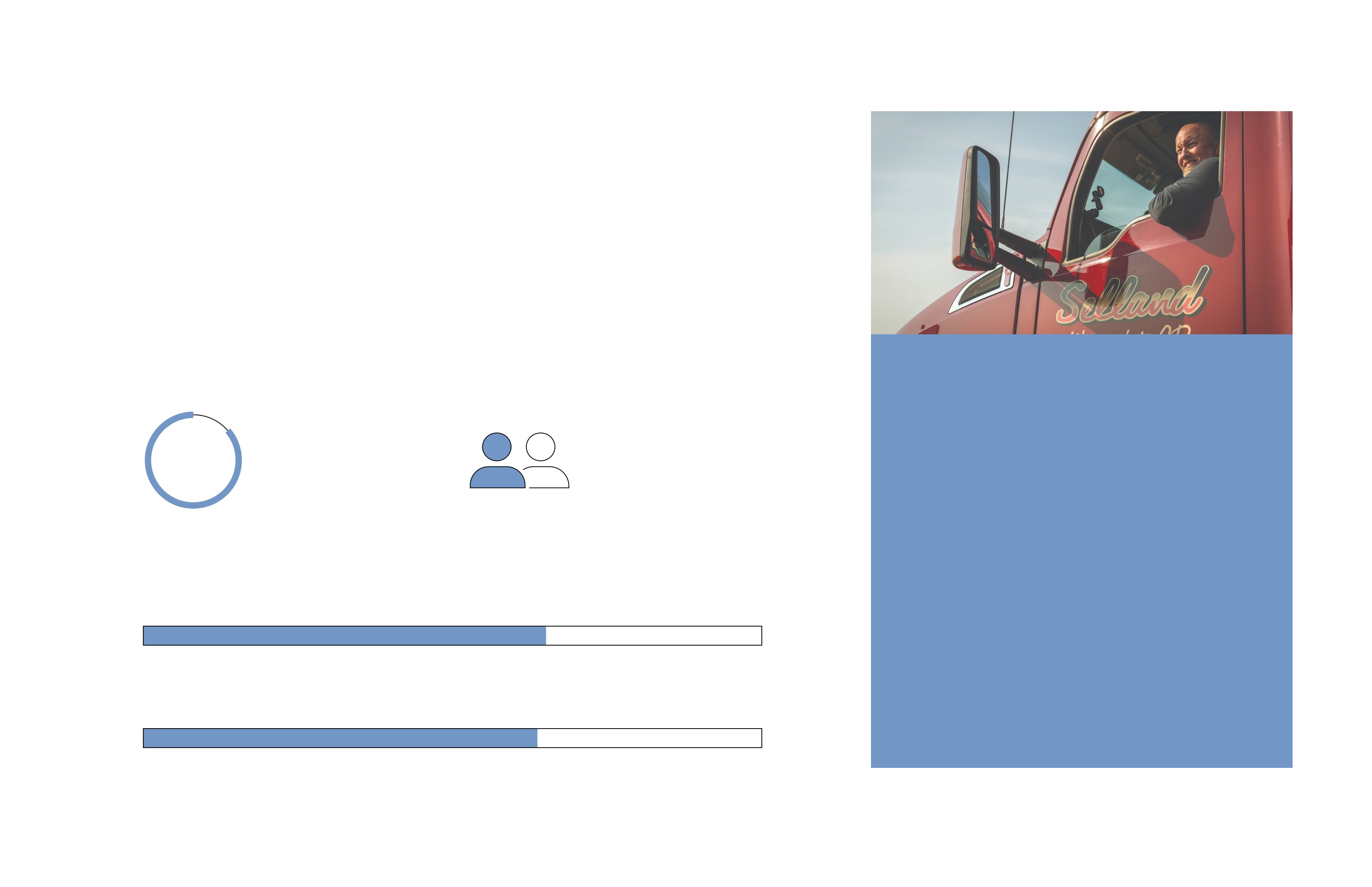
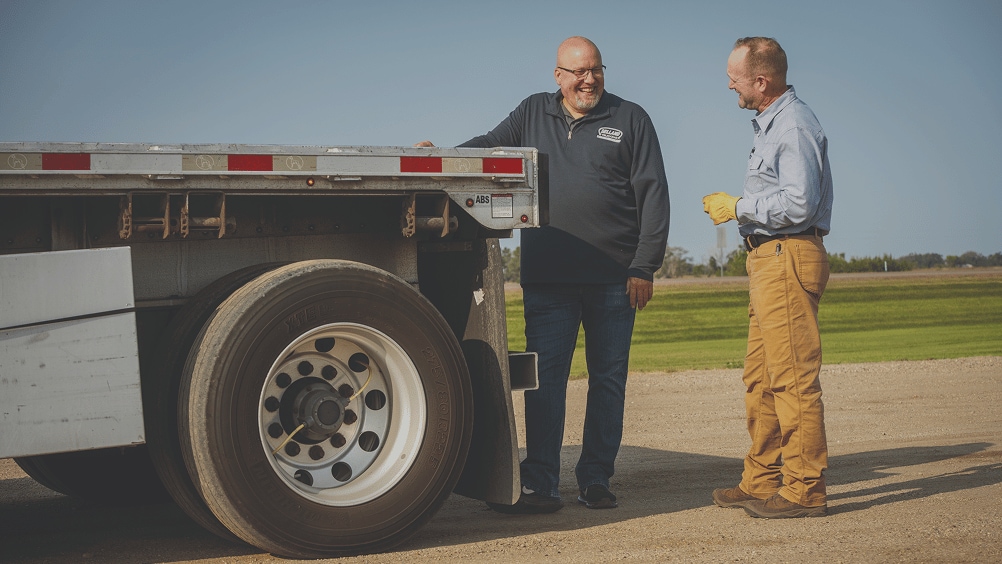
Barry Selland, Selland Trucking
Graduate Spotlight
“The program helped me build confidence in expanding. Now I know what I need to work on and do.”
Selland Trucking is a family owned flatbed freight trucking company based in Woonsocket, South Dakota (population: 650).
Goldman Sachs 10,000 Small Businesses partners with community colleges—who are essential allies in supporting small business owners and connecting them with local resources.
In a recent survey of college partners, leaders reported that the program has catalyzed additional investment and provided meaningful applied work for faculty and staff.
See why we partner with community colleges.
100%
of college leaders believe the program has positively impacted their institution and its visibility in the community
of college leaders say 10,000 Small Businesses catalyzed new investments, grants, partnerships, or other opportunities
92%
of program staff and college leaders say 10,000 Small Businesses is a transformative experience for small businesses in their community
community COLLEGE partnerships
A POWERFUL NETWORK
GRADUATES GIVING BACK
As a result of the 10,000 Small Businesses program, Houston City College has built one of the most outstanding and award-winning programs for small businesses—earning international, national, and regional recognition. We have three Centers for Entrepreneurship with a fourth opening soon. The program enabled us to strengthen our mission to serve and grow the local community. —Maya Durnovo
Associate Vice Chancellor for Entrepreneurship, Houston City College
Entrepreneurial loneliness and isolation can lessen business owners’ ability to think creatively or make decisions confidently, often resulting in negative business performance.
of graduates collaborate
84%
An essential component of Goldman Sachs 10,000 Small Businesses is the cohort model, which brings together business owners from different industries, geographies, and stages of growth to build enduring networks of support.
3 in 4 graduates feel a greater sense of belonging and reduced loneliness and isolation after 10,000 Small Businesses
Anna Huthmaker, Huthmaker Violins
To this day, my growth group of five women meets almost every month. We’re still learning together and supporting each other.”
Huthmaker Violins is a family-owned violin shop in Suwanee, Georgia that sells, rents, and repairs fine string instruments and hosts repair and restoration workshops.
“
Goldman Sachs 10,000 Small Businesses alumni are active leaders in their communities—giving back through donations, volunteerism, civic engagement, and mentorship.
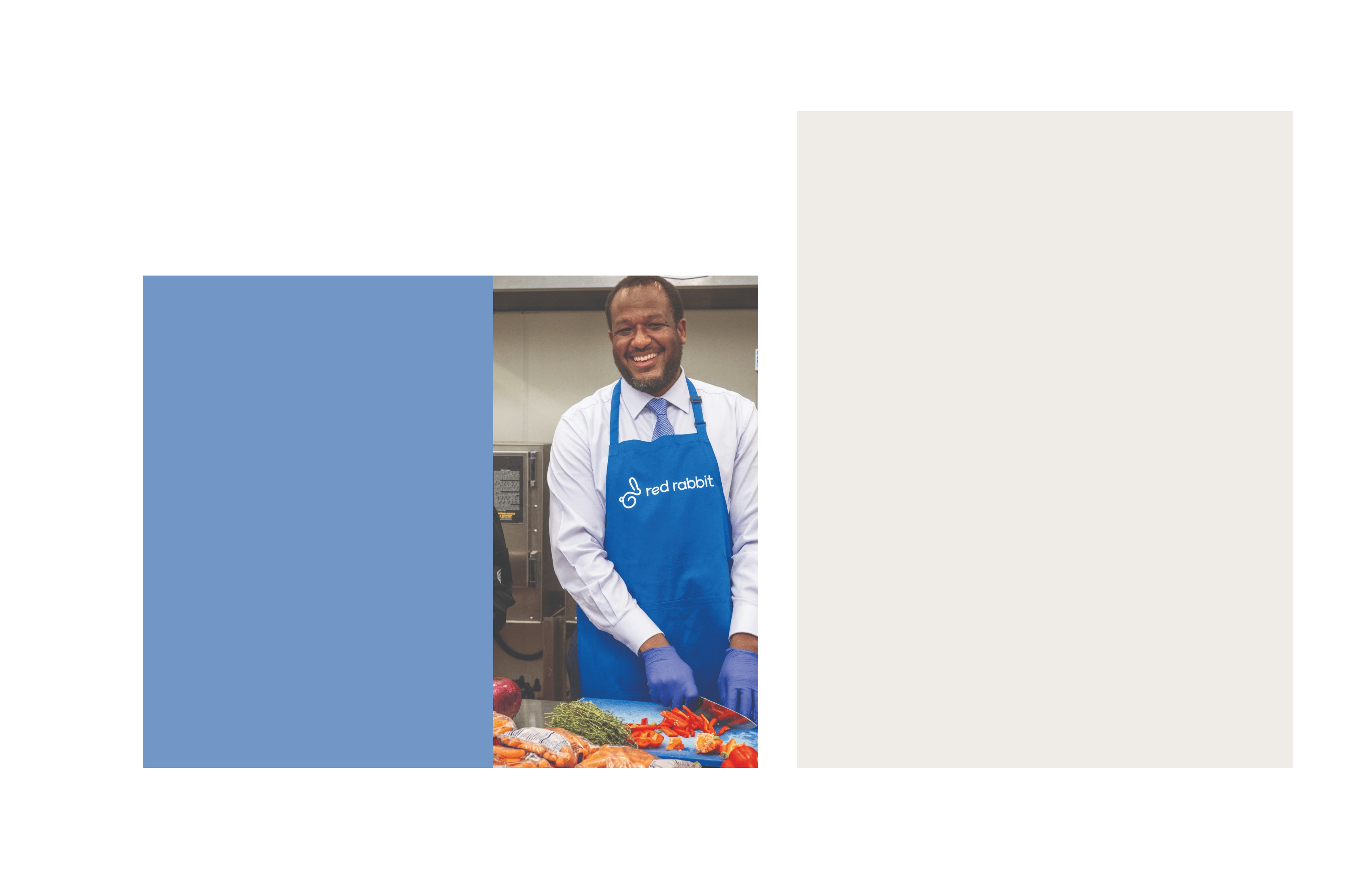
Rhys Powell, red rabbit
We see ourselves as a social justice organization that is using food to help uplift and bring kids the best of what our society has to offer.”
Red Rabbit is a triple bottom line (people, planet, profit) company currently serving 50,000+ culturally resonant and nutritious school meals per day to students in the Northeast and Mid-Atlantic.
10,000 Small Businesses alumni increase their rates of community involvement between starting the program and 30 months after graduation. The majority of graduates give back to the community by donating money, products, and their time.
71%
70%
65%
64%
Donating money
Donating items
Volunteering time
Donating business goods
65% of alumni mentor others
On average, alumni have mentored seven individuals since graduating from 10,000 Small Businesses
7 mentees
Why We Partner With Community Colleges
As anchor institutions, community colleges know how to deliver practical education to individuals balancing work and learning. 10,000 Small Businesses currently partners with 19 colleges nationwide to deliver the program and has provided more than $200MM in grants to partnering institutions over the last 15 years.
19 COLLEGE PARTNERS NATIONWIDE
Goldman Sachs 10,000 Small Businesses delivers value to businesses across industry type and ownership structure. The unique experiences of family-owned, manufacturing, and childcare businesses offer insight into our alumni community.
Family-Owned Business
CHILDCARE
The legacy and tradition of family-owned businesses touches main streets across America. Built for longevity, these businesses are closely tied to their local communities.
27%
Nationally, about 27% of small businesses are family owned3
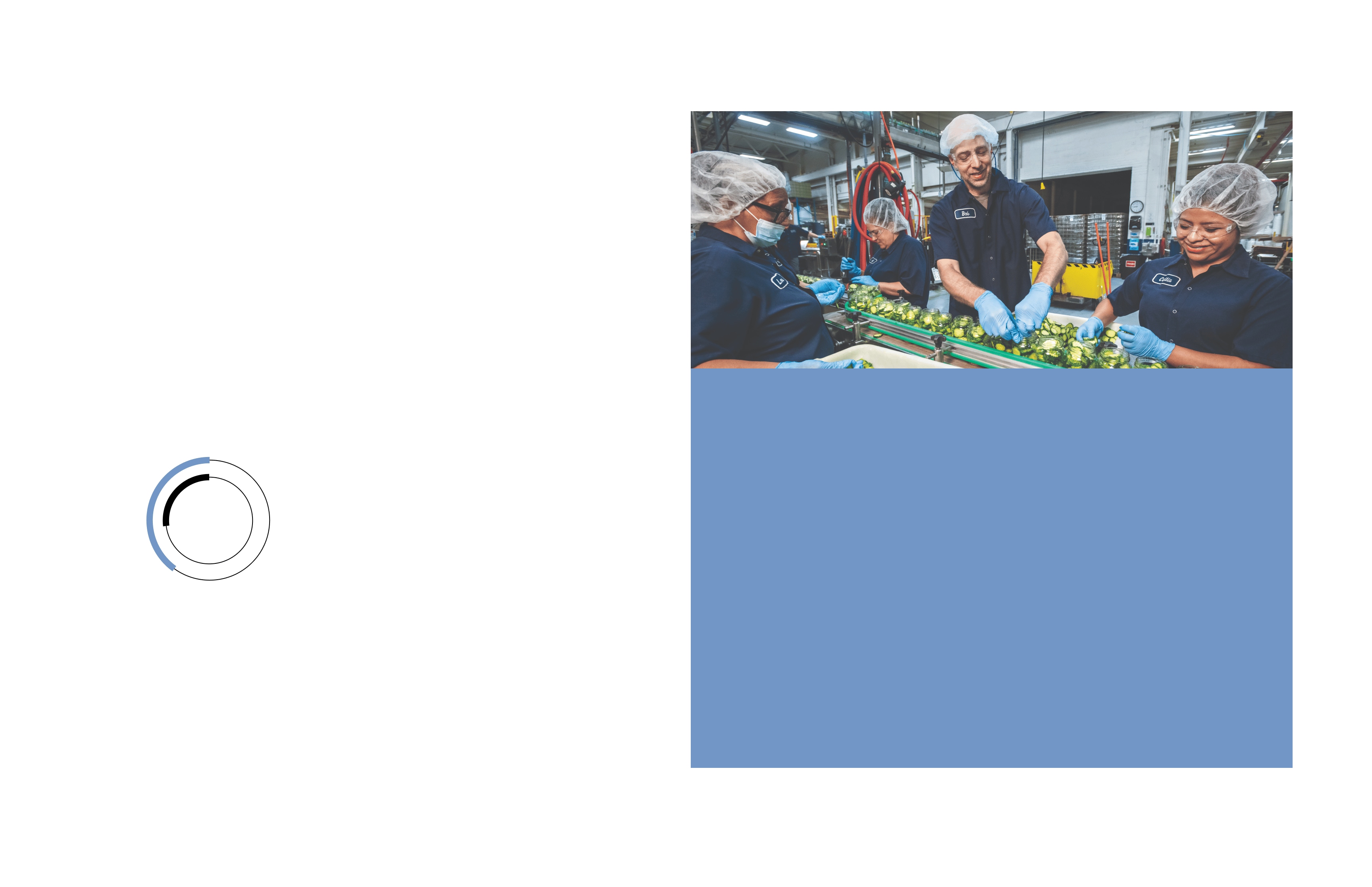
Bob McClure, McClure's Pickles
Everybody has something that connects them to family heritage and community, and for us that was pickles.”
McClure’s Pickles is a nationwide specialty food company founded in Detroit, Michigan using their great grandmother’s pickle recipe.
National Percentages
40%
Comparatively, 40% of program graduates operate family-owned businesses3
manufacturing
3.
U.S. Census Bureau, (2020). Annual Business Survey.
Manufacturing is critical to America’s economic competitiveness, driving some of the highest economic returns and adding $2.64 to the U.S. economy for every $1 spent.13
1,000+
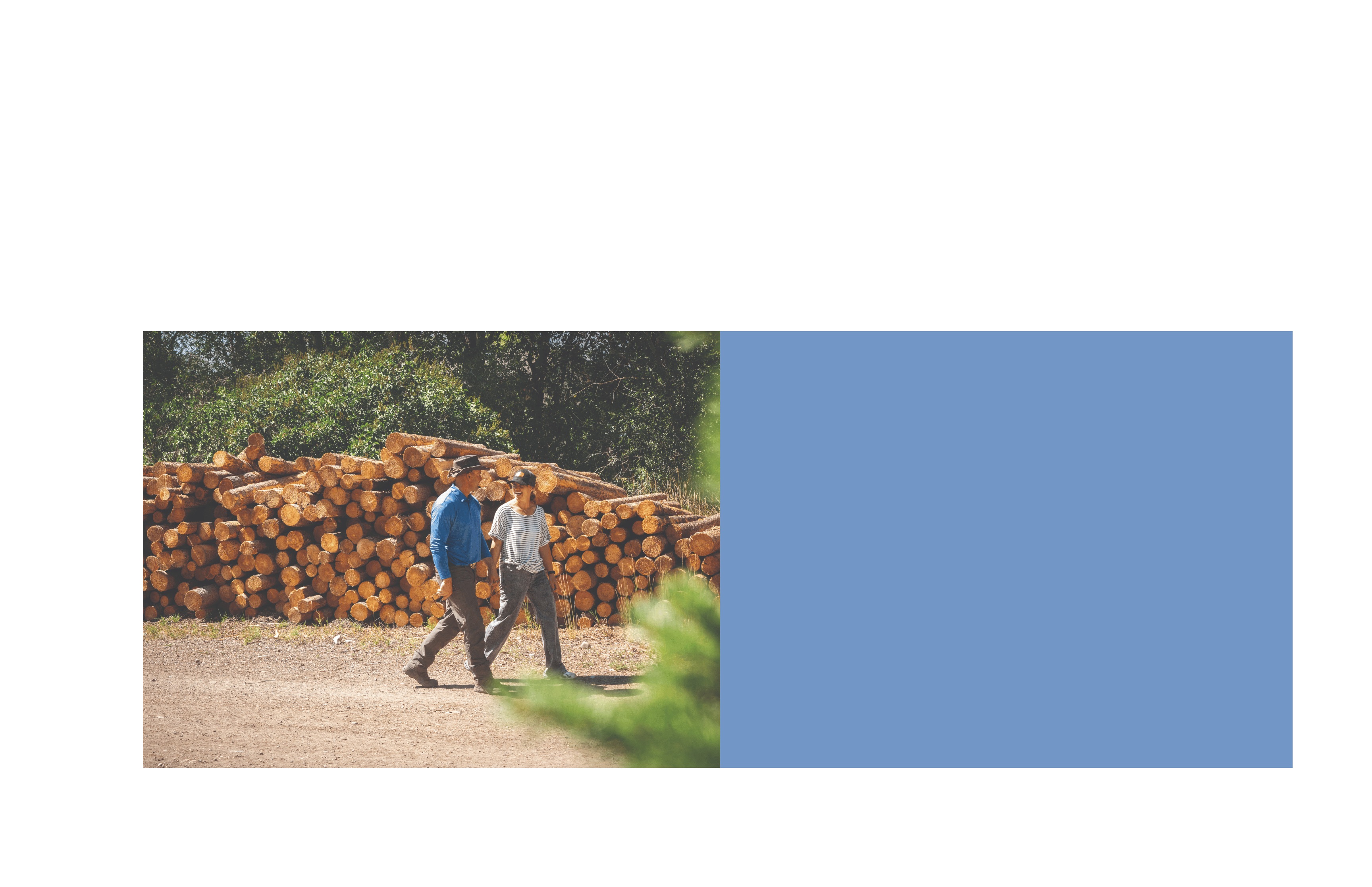
MARK STOSICH, STOSICH INC.
My dad went and made his own fencer machine, and now we are on model four of that. It’s better than any commercial piece of equipment. I’ve now taken that to wood fence manufacturing.”
Stosich Inc. is a second-generation, family-owned fence building and manufacturing business in Lima, Montana (population 250).
childcare
More than 1,000 alumni of 10,000 Small Businesses are in manufacturing.
Many 10,000 Small Businesses alumni own businesses that make the work of others possible—such as those in the child care and early education space.
Jessica Dehn, Dino Drop-In
As an entrepreneur, I have a different mindset: I want to change things. Changing the world one child at a time is inherent in what I do. But I want to change childcare into a better system too.”
Started in Bozeman, Montana with a mission to revolutionize childcare, Dino Drop-In uses a flexible care model to serve families at 10 locations across several states.
80%
More than 80% of American parents with children under age 6 are in the paid labor force 4
38% of small business owners say the lack of childcare has had a negative impact on their ability to operate and grow their business 5
38%
Childcare providers often operate on thin margins despite high costs for families, but with the right support, providers can grow and thrive. More than 140 Goldman Sachs graduates own childcare-related businesses. 77% reported increased revenue 30 months after graduation 49% reported increasing their number of employees 30 months after graduation
4.
U.S. Bureau of Labor Statistics, (2024). Employment Characteristics of Families Summary.
Goldman Sachs, (2024). Child Care Challenges Compound the Small Business Workforce Issue.
For 15 years, Goldman Sachs 10,000 Small Businesses has helped small businesses grow their revenues, create jobs, increase resilience, and improve their access to capital.
Small Business Impact Deep Dive
Three-quarters of alumni grow their annual revenue within 30 months of graduating
3/4
Two-thirds of graduates report being more confident in applying for capital after graduating
2/3
More than half of alumni create new jobs within 30 months of graduating
matthew wong, tea and milk
When you are in the business, you only see what's in front of you. You see a cafe. You don't see the other opportunities. 10,000 Small Businesses showed me the other opportunities.”
Tea and Milk is a New York City-based boba brand selling authentic tea beverages with a mission to nurture the community.
4x Faster Growth
Graduates of 10,000 Small Businesses consistently demonstrate revenue and job growth. Over the past 10 years, the average annual job growth rate is four times greater among graduates compared to similarly sized U.S. businesses.
At 30 months after graduation, alumni demonstrate a statistically significant increase in revenue and employees.
35%
Median revenue growth
11%
Median employee growth
GROWTH
STRATEGY
RESILIENCE
ACCESS TO CAPITAL
See Methodology (accessible in the Table of Contents) for more information.
The comprehensive 12-week 10,000 Small Businesses curriculum pushes small business owners to sharpen their focus, hone their vision, and formalize their operations—resulting in a capstone Growth Plan outlining their 5-year strategy for a new product, service, or business line. See how alumni use AI to boost their strategic approach.
>2 out of 3
More than two-thirds of graduates have implemented some or all of their growth plan
59%
of graduates researched or developed a new product or service since graduating from the program
Jorge Ojeda, HAWK Construction
Before the program, we were a concrete contractor. The growth opportunity I developed was to look at the aging infrastructure of the local water and sewage industry. And now that side of the business is almost 50% of what we do.”
HAWK Construction is a Texas-based civil and infrastructure construction company.
Over 70% of 10,000 Small Businesses alumni indicate they are leveraging AI in their business, most often for productivity, marketing content, or data analysis
70%+
Between 2024 and 2025, there was a 37% increase in AI usage among 10,000 Small Businesses graduates
+37%
2024
2025
50%+
Top 5 ways alumni are using AI in their businesses:
77%
(taking notes, writing e-mails, documenting processes)
Productivity
76%
(ad content, newsletters)
Generating written marketing content
45%
(graphics, logos)
Generating visual marketing content
Data Analysis
36%
Personal Development Training
Goldman Sachs 10,000 Small Businesses alumni describe an increased ability to pivot, strategize, and persevere through adversity.
95%
of alumni say 10,000 Small Businesses helped them persist through economic challenges
8 out of 10 alumni say they can confidently react quickly to unexpected change or failure
8 out of 10
LUCY CARDENAS RED IGUANA
Leadership became important to me when I went through 10,000 Small Businesses. Right now, I want to make sure the restaurants stay relevant and special so that when people come, they feel better about life."
Red Iguana is an award-winning authentic Mexican restaurant with two locations in Salt Lake City, Utah.
Building relationships with local financial institutions is often essential for business growth. 10,000 Small Businesses helps graduates learn how to cultivate connections and how to access capital wherever they operate.
2 in 3
alumni report being more confident about applying for capital after graduating
SONYA BRAZEAL, AMAZING WINDOW CLEANERS
After graduating, we purchased property for a brick-and-mortar location and now we are preparing our investment pitch to fund the build out. 10,000 Small Businesses sped up our know-how about what to ask for and how to ask.”
Amazing Window Cleaners is a service-driven window cleaning, power washing, and gutter cleaning company based in Montgomery, Texas.
~1 in 2
graduates have applied for financing in the past three years Of those who applied, 86% report successfully obtaining capital, securing more than a combined $380MM—an average of ~$467K per business
By investing in small business owners, Goldman Sachs 10,000 Small Businesses prepares leaders to support their growth in business, improve their financial wellbeing, and reinvest their knowledge in future ventures.
graduates agree that 10,000 Small Businesses was a defining experience
9 out of 10
of program participants grew their confidence in critical business owner skills from program start to finish
89%
10,000 Small Businesses equips entrepreneurs with the knowledge and skills to confidently lead, moving from working in their businesses to working on their businesses.
LEADERSHIP
CONFIDENCE
FINANCIAL WELLBEING
MULTIPLE BUSINESSSES
85%
of alumni agree that 10,000 Small Businesses helped them realize their leadership potential
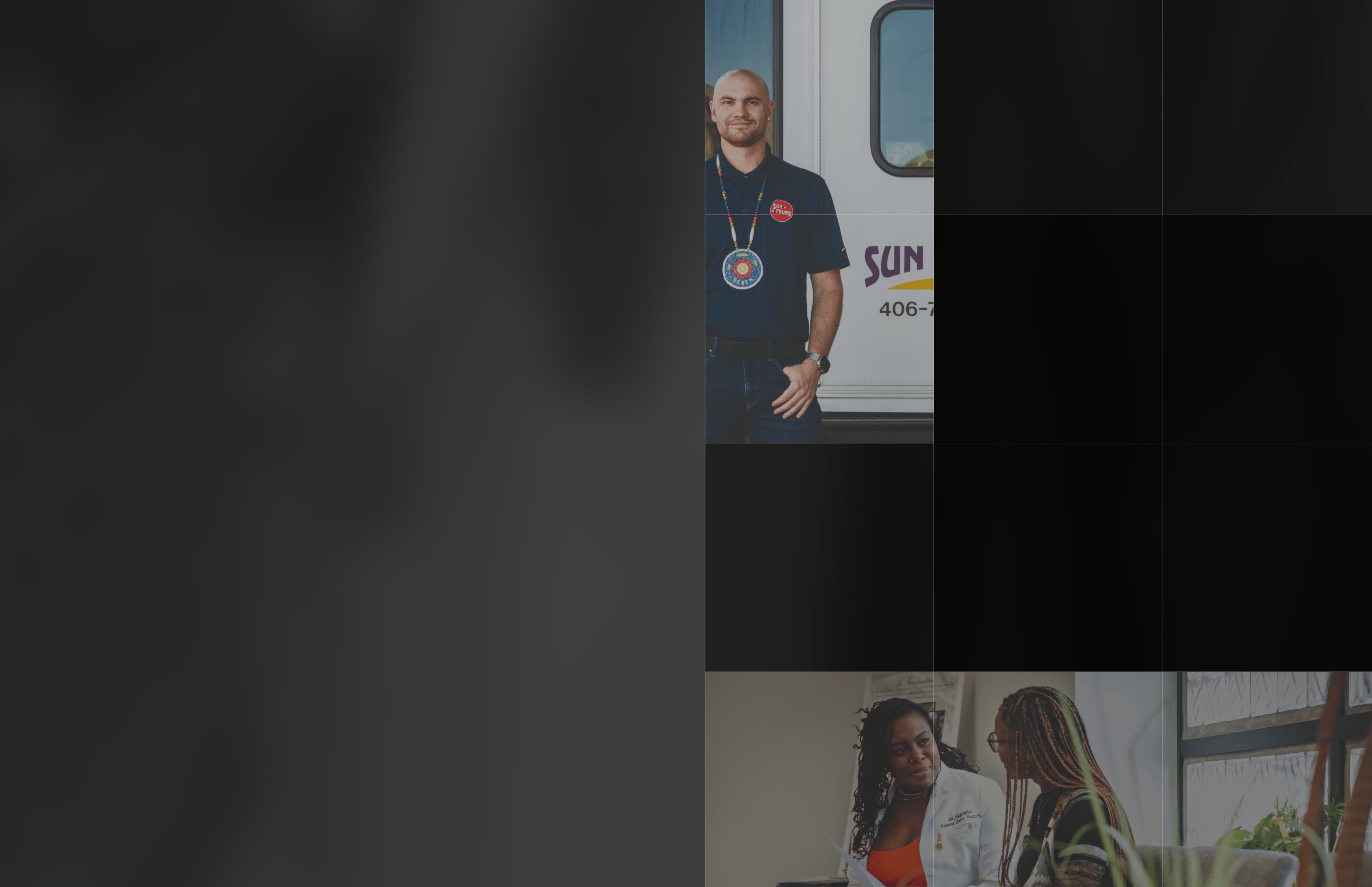
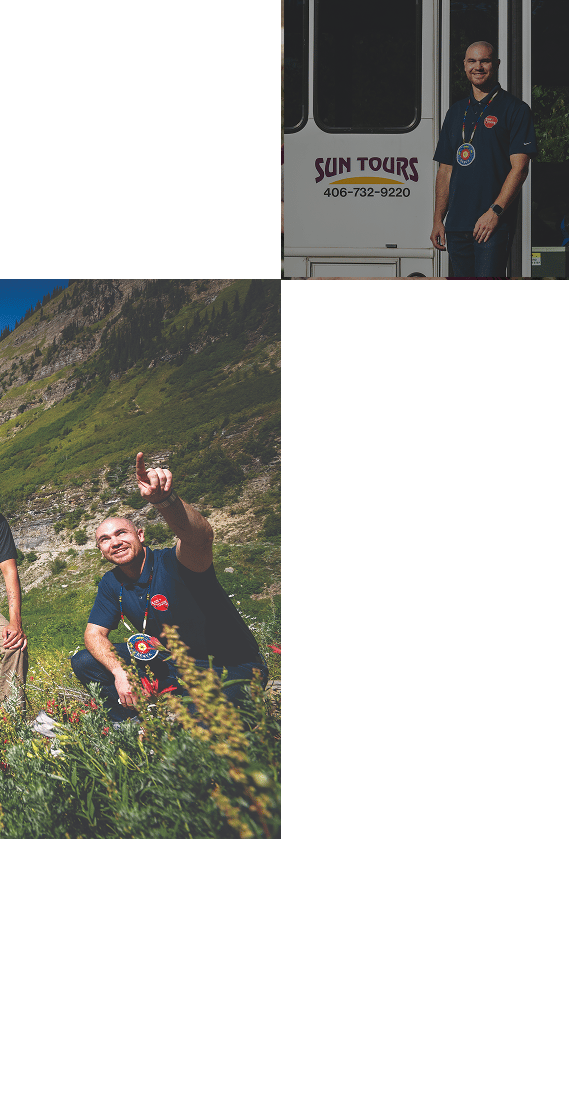
Derek DesRosier, Sun Tours
10,000 Small Businesses has shaped my future personally and professionally. One of my favorite parts of the program was the blue sky exercise, putting yourself in a position to look at what your goals are, what your vision is, and imagine where your business can go."
Sun Tours is a Blackfeet tribal business and National Park Concessionaire offering culturally resonant tours on the Blackfeet Reservation and in Glacier National Park.
alumni say 10,000 Small Businesses helped them empower their team
Goldman Sachs 10,000 Small Businesses emphasizes skill building and individualized mentorship to help graduates realize their potential and increase their confidence.
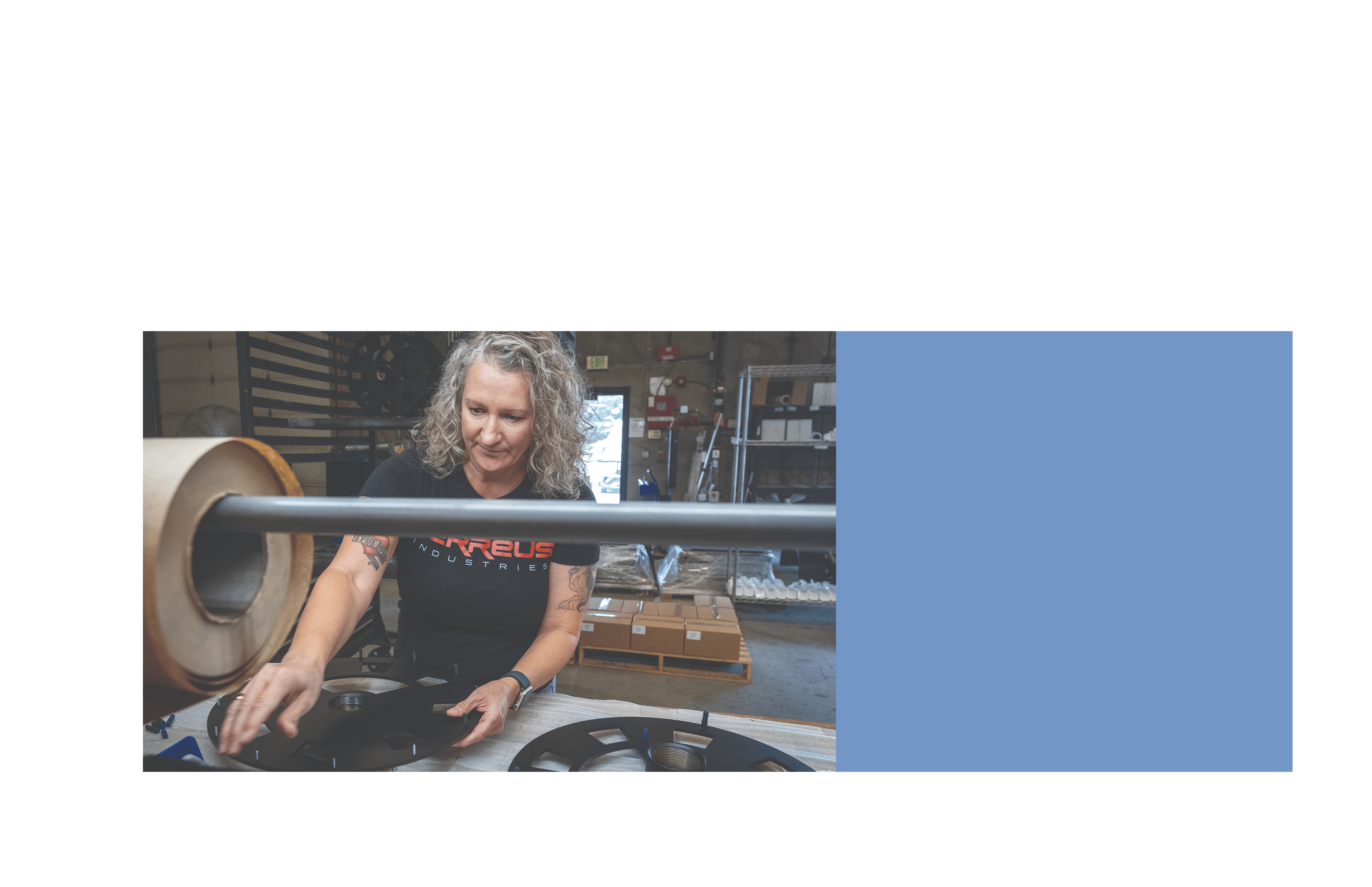
CASEY BEVAN, FERREUS INDUSTRIES
The confidence from 10,000 Small Businesses was huge—confidence in myself, my business, my ability to run and grow the business. Confidence to ask for what I need.”
Ferreus Industries is a Utah-based sheet metal fabrication company that caters to a diverse range of industries including aerospace, medical, defense, electronics, technology, industrial, and more.
Graduates most often report increased confidence in identifying and applying for capital, conducting market analyses, and managing their finances.
The financial well-being of small business owners is critical to their success and their ability to grow and sustain their businesses. Alumni of 10,000 Small Businesses report strong personal financial stability, which can benefit their families, businesses, and communities.
VICTORIA THOMAS, JOURNEYFIT
I got to buy my mom her first house from the growth of JourneyFit… I want to express my gratitude to everyone that made a significant impact in my life and in my business journey.”
Texas-based JourneyFit is an immersive fitness program with a community-focused mission to restore personal health.
Graduates of 10,000 Small Businesses are more likely to have retirement savings, own a home, and have stable income than the average small business owner in the United States.
10,000 Small Businesses Small Business Owners
Average U.S. Small Business Owner 6
Can cover an unexpected $1,000 expense
Homeownership
87%
69%
Have retirement savings
83%
Stable income, does not vary from month to month
43%
6.
Consumer Financial Protection Bureau, (2025). The Financial Security of Small Business Owners: Evidence from the Making Ends Meet Survey.
Goldman Sachs 10,000 Small Businesses invests in entrepreneurs because they are catalysts: many of them re-invest their knowledge and skills into additional business ventures.
>33%
More than one-third of alumni own more than one business
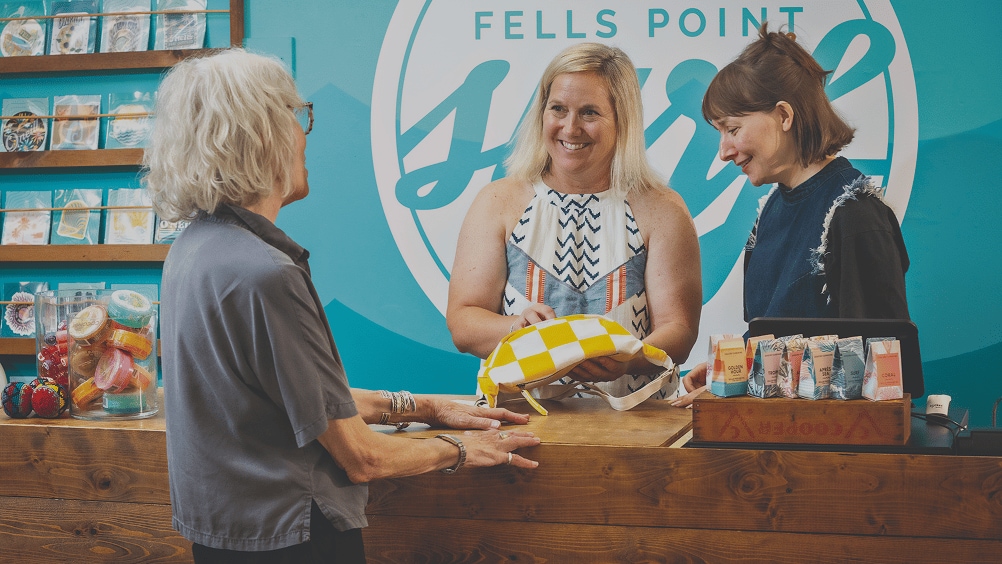
Alison Schuch, Fells Point Surf Co
In 10,000 Small Businesses I envisioned building another business as my growth opportunity. I saw this coming years ago in my retail store and thought 'I need something that can be my brand.' Now I am competing by selling my own brand, Tangerine Goods.”
Fells Point Surf Co. is an in-person and online retailer of surf-culture-inspired goods with three locations on the East Coast.
8 in 10
8 out of 10 alumni who created a new business after 10,000 Small Businesses agree the knowledge, skills, and network from the program gave them confidence to open a new business
Since graduating from the program, alumni growth has created and catalyzed an estimated $27.2B in additional economic output and 149,000 jobs.
Looking Ahead
After 15 years of Goldman Sachs 10,000 Small Businesses, it is clear that the impact of the program's alumni on communities and the U.S. economy is far-reaching.
These more than 17,000 graduates are leveraging their knowledge, skills, and experience to grow their businesses and improve their communities—adding jobs to the economy at a rate four times faster than the average U.S. small business.
Our commitment to and belief in America's small business community endures.
Each year, more than 1,500 new small business owners take part in 10,000 Small Businesses.
And we continue to expand into new geographies, bringing 10,000 Small Businesses to rural communities across the country as part of a $100MM commitment.
Download the Report
Small Businesses Create Local Opportunity
Regional Impact:
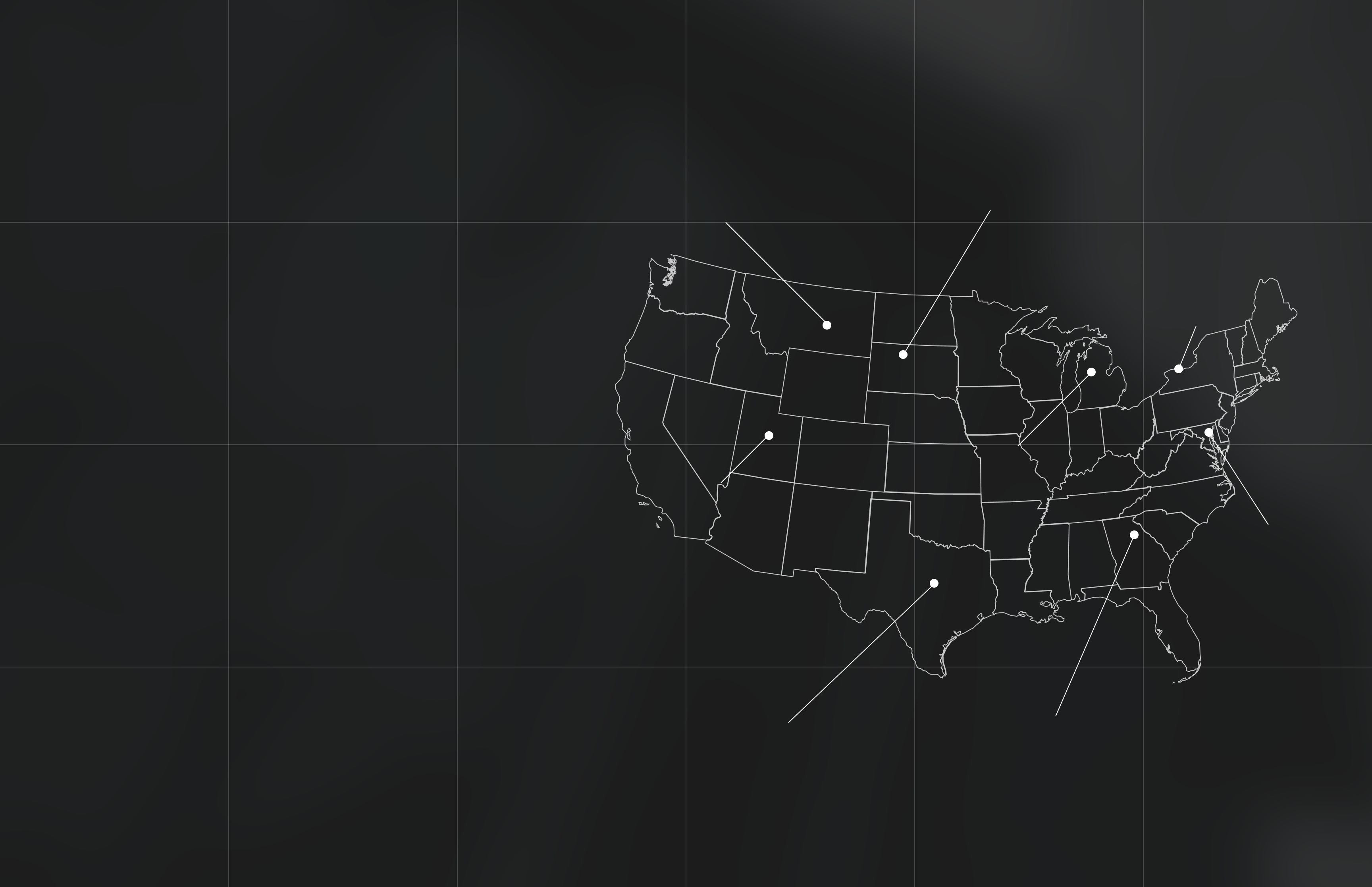
Explore the profound impact of the Goldman Sachs 10,000 Small Businesses community across five distinct regions—from major metropolitan areas to rural economies.
Huthmaker Violins ATLANTA, GA
When I started the program, I had recently taken over our family business. The insecurity and fear that I felt seemed insurmountable. Then I got accepted into 10,000 Small Businesses and everything changed. Now I approach [the business] with confidence and excitement."
Watch the Case Study Film
"
Return to U.S. Map
A Catalyst for Growth
One of the most meaningful moments in Anna Huthmaker’s life was an unexpected gift: a letter from her parents granting her full ownership of the family’s 30-year-old business, Huthmaker Violins. “I sobbed and was so happy,” she recalls. After years of working alongside her parents and building a career as a professional musician, Anna was ready to take the shop to the next level.
A Powerful Gift
Joining the 10,000 Small Businesses program was a turning point for Anna. Through the demanding program, she gained strategies to improve operations, expand marketing, and diversify revenue.
An Immersive Learning Experience
The learning experience was deep, rich, and challenging. I was up late at night and early in the morning,” she says. But it paid off: within 18 months of graduation, she grew revenue by 20%.
A Learning Community
Collaborating with entrepreneurs from larger, more financially complex businesses pushed Anna to find her voice: “I could either shrink and be quiet or just jump in.” She chose the latter, asking questions, absorbing insights, and gaining confidence in her identity as an entrepreneur. That confidence led her to recently apply for—and win—a Top 100 Dealers award at a global music event.
Confidence Through Challenge
The 10,000 Small Businesses network continues to enrich Anna personally and professionally. She referred a local therapist to another Goldman Sachs entrepreneurship program, stayed in touch with her business advisor, and remains active on 10KSB Connect, the online platform for alumni. Members of her cohort even joined her hiking club, Trail Dames.
Lifelong Connections
My growth group members are extraordinary women. We face different business challenges, and I learn so much from them.”
HIGHLIGHT
Alison Schuch
Fells Point Surf Co. Baltimore, MD
To sum it up, I always wanted to be a small business owner. I jumped in and took the risk. I never had any formal business training before the 10,000 Small Businesses Program.”
From Lifestyle to Business Venture
After her early career in pharmaceutical sales, Alison Schuch felt drawn to something more aligned with her passion: the surf lifestyle and culture. Ironically, the Baltimore resident did not live near the beach, but her love of the ocean and an active outdoor lifestyle informed the concept for Fells Point Surf Co., a retail boutique she founded in 2003.
A Career Change
After gaining traction, surviving the 2008 recession, opening new shop locations and even piloting concepts for other retail boutiques, Alison enrolled in the first Baltimore 10,000 Small Businesses cohort in 2017. A lifelong learner, Alison dove into the opportunity to establish stronger financial practices.
Starting a Retail Empire
As small business owners, it's hard to make the time to do these things that help you grow…But I'm really glad that I did it. To date it's probably one of the best things I've done for my business.”
Prepared to Pivot
By the time COVID hit, Alison’s books were in order and she was prepared to immediately apply for the Paycheck Protection Program (PPP) and Economy Injury Disaster Loans (EIDL) before many of the other small businesses in her communities. She credits 10,000 Small Businesses for pushing her to become the “2.0 version” of her business and is unsure if her businesses would have survived without it.
In recent years, Alison launched a private-label accessory line —Tangerine Goods— to compete with the other vendors she purchased from to stock her stores. The accessory line now has a standalone retail storefront. After 10,000 Small Businesses, she also invested in a large warehouse space to consolidate inventory and plans to open her next location adjacent to the warehouse.
Becoming Her Own Vendor
In 10,000 Small Businesses I envisioned Tangerine Goods as my growth opportunity. I saw this coming years ago in my retail store and thought I needed something that could be my brand…Now I am competing by selling my own brand.”
Barry Selland
Selland Trucking Woonsocket, SD
The program helped me build confidence in expanding. Now I know what I need to work on and do.”
Family Legacy in Rural America
Selland Trucking is a flatbed and step deck freight trucking company based in Woonsocket, South Dakota—population 650. Barry Selland took over the business from his parents, who started it as a supplement to the family’s farming and cattle feeding business. As a kid, Barry watched his father run the cattle feeding operations and his mother run the trucking side—so it's no surprise he and his wife now co-own Selland trucking and also employ their two daughters.
Small Town, Big Business
Barry and his wife, Shelly, who also owns and operates a medical aesthetics business, enrolled in the first South Dakota cohort of 10,000 Small Businesses in 2024—part of the program’s $100MM Investment in Rural Communities. Barry joined the program to learn how to continue expanding the business while also protecting its unique culture.
Keeping the Family Feel for Customers
Expanding the business and getting the right people in the right spots, while not losing that family feel with the customers is a huge step.”
Intentional Growth
Barry credits his parents for teaching him about communication and working with people. In his view, family values and rural America go together, and he is proud of the connection the company builds with its drivers. He also celebrates the dynamic tradition of empowered women in his family, and attributes his knowledge of trucking theory and customer management to his mom. Daughters Jessica and Morgan have also joined the team after successful careers in healthcare.
Adding to the Team and the Legacy
Selland Trucking now runs 25 to 30 trucks through all 48 contiguous states and Canada. Barry is focused on ensuring its workplace culture remains positive and professional. He’s also exploring avenues to help drivers finance their own trucks in hopes of deepening their relationship and enabling his drivers’ success.
Maintaining Consistency and Culture
We just took it to a new level, and the dedication to the customer and the drivers is what really makes us shine."
8
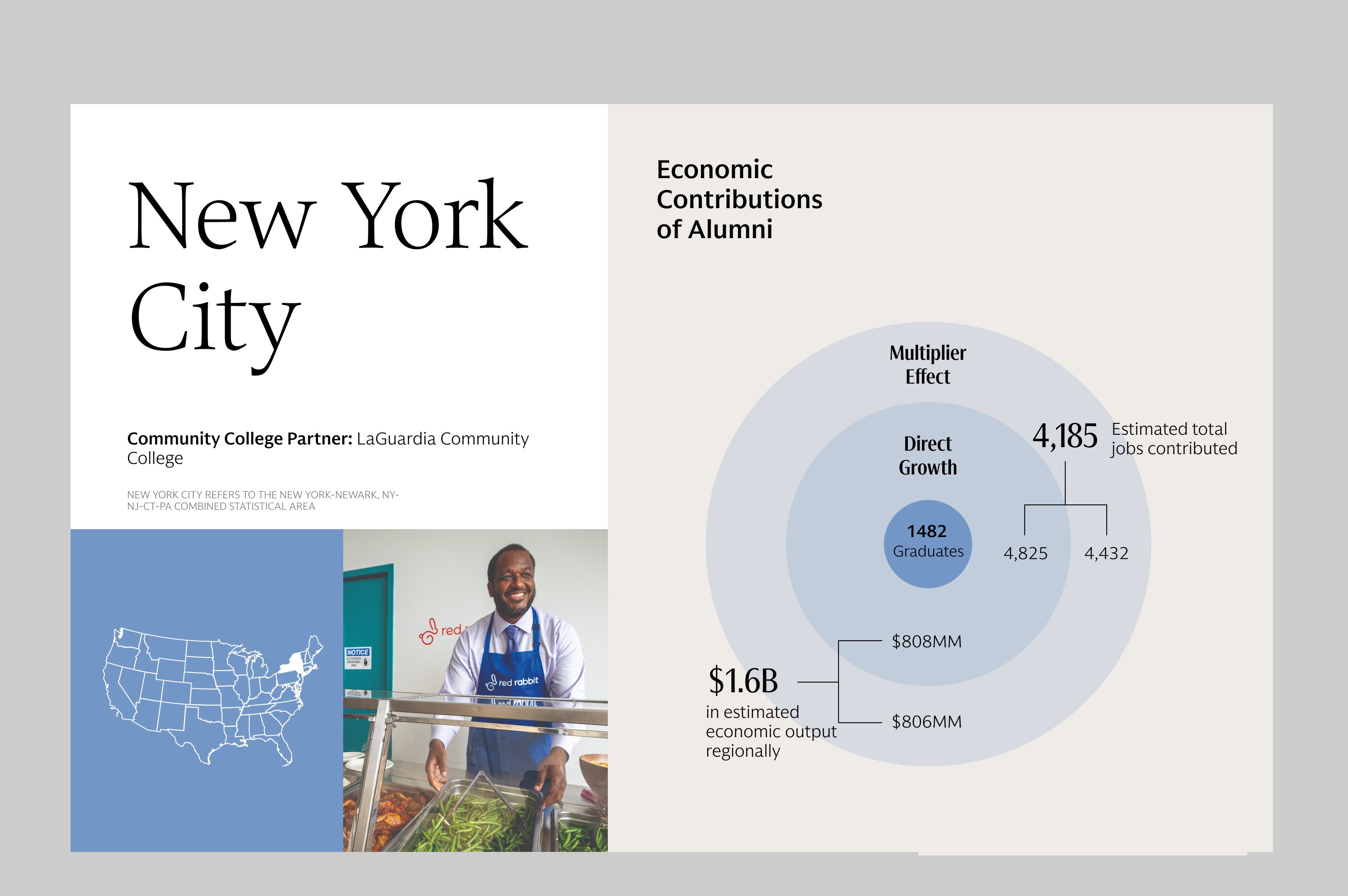
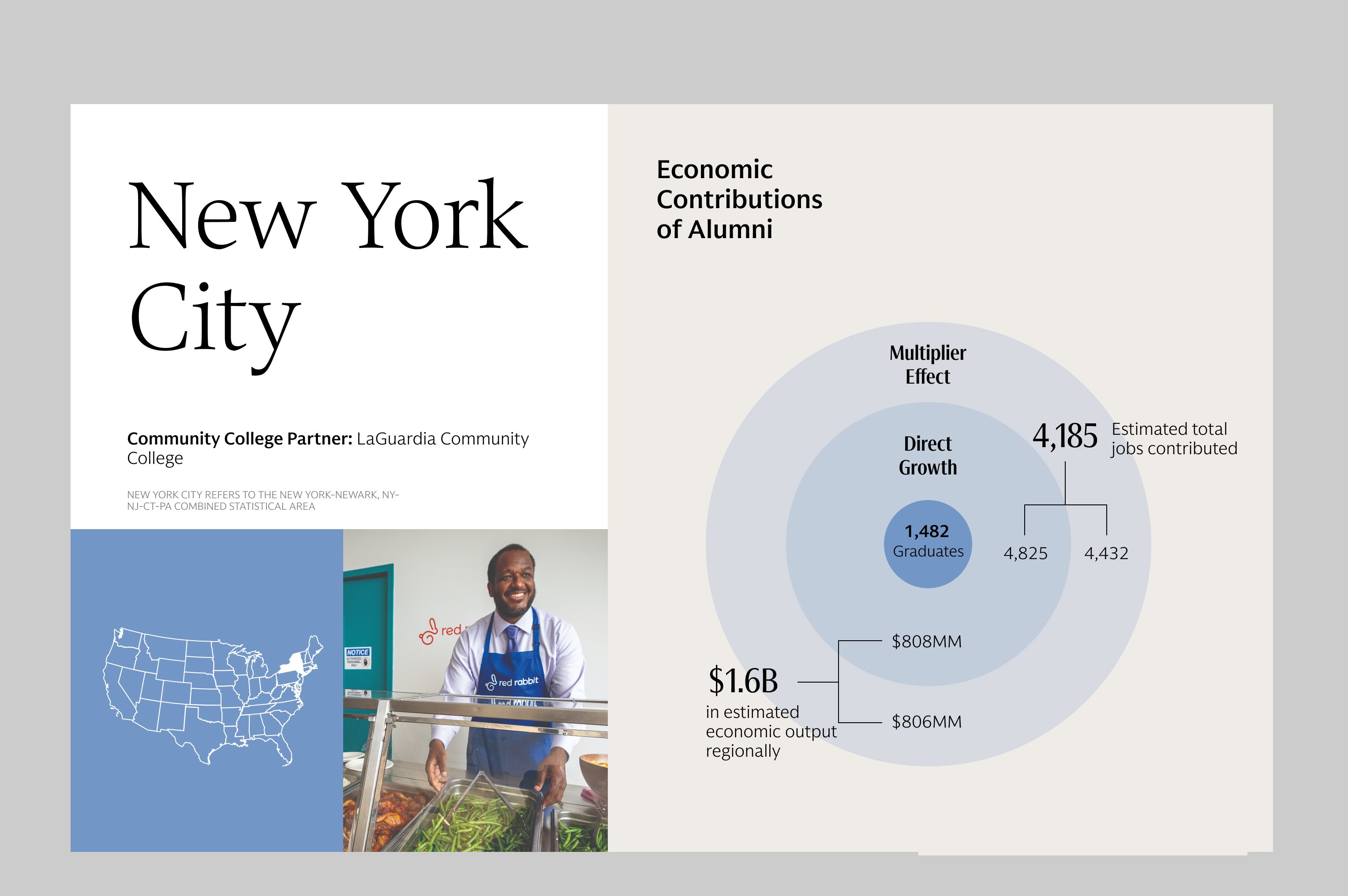
New York by the Numbers
Rhys
Mathew
Tea and Milk NEW YORK CITY, NY
When you’re in the business, you only see what's in front of you. You see a cafe. You don't see the other opportunities because you’re so busy with doing more in the cafe space. 10,000 Small Businesses showed me the other opportunities.”
Return to New york
From Surviving to Scaling
Mathew Wong’s path to starting Tea and Milk began in a cafe with friends and the goal of breaking out of mundane, 9-5 jobs. Now, more than 10 years later, Tea and Milk has grown into a bustling business with three locations and an expanding catering arm. But that growth wasn’t guaranteed.
A Cafe with Friends
From figuring out how to make ends meet to surviving the pandemic in New York City, Mathew’s journey has been one of finding opportunities to grow. With the help of 10,000 Small Businesses, the business was able to go from surviving to scaling.
A Guide to Becoming Better
Before the program, we were always on edge. I needed to find support and the right people who could guide me to become better and to learn more about business itself."
Return to new york
Growing and Giving Back
During the initial COVID shutdown, Mathew and his team pivoted to offering DIY kits for their customers. These kits not only helped keep their team employed, but also supported those on the front lines. From 2020 to 2022, Tea and Milk delivered more than 4,000 drinks to hospital workers, fire fighters, and first responders. This income stream not only allowed them to stay afloat financially, but it also raised their brand awareness in the community. “When we first reopened, the line was down the block. Because of the DIY kits and likely because we gave back in a time of need, the community came out to support us.”
Fueling the Community
Through 10,000 Small Businesses, Mathew learned to look beyond the four walls of his cafe to create new offerings. In addition to the DIY drink kits, Tea and Milk has expanded its menu to offer Vietnamese sandwiches and built a successful catering line.
Developing New Income Streams
In our first five years, financial and HR struggles often made us wonder if it was all worth it. But with resilience, we pushed past the noise and stayed true to our vision—and have built our way to where we are today."
Red Rabbit NEW YORK CITY, NY
Red Rabbit gives children a vision of themselves that is both healthy and aligned with their heritage.”
From Wall Street to the School Cafeteria
A graduate of MIT and a former Wall Street financial trader, Rhys Powell founded Red Rabbit school catering and cafeteria management in 2005, originally targeting private schools in New York City. After gaining an in-depth understanding of the challenging conditions in public school food systems, Rhys knew he had to shift his business model.
Reimagining the School Meal
Red Rabbit restructured operations to adapt from a $7 per meal market rate to the $3 per meal rate of public schools—without sacrificing quality or nutritional value. By 2011, the business was earning $1MM in annual revenue and poised to grow. Rhys sought out 10,000 Small Businesses to learn how to expand the business responsibly.
Restructuring the Business Model
We were concerned children in public schools were not being served by our society. We had an opportunity to have an impact.”
Empowering Communities and Embracing Culture
Rhys felt pressure to step up his leadership of Red Rabbit, but was consumed by day-to-day operations. Reflecting on his $1MM revenue accomplishment, he set a $10MM annual revenue goal. In response, his business advisor added a zero, asking “Why not $100MM?” Rhys began to understand he had put limitations on himself and reimagined what was possible.
Cultivating a Mindset Shift
In 2018, Rhys realized the potential to further uplift the communities he served by ensuring students saw their culture reflected in the food they ate at school. Rhys now views the business as a social justice organization, using food to show kids the best of what society has to offer. Red Rabbit now operates in 140 schools in the Northeast and Mid-Atlantic serving more than 50,000 chef-prepared, from-scratch meals per day.
Meals that Matter
I was playing any part I needed to in the business. I wore my chef's coat most days. It led me to hide my CEO role but when I left the program I presented myself like a CEO—through body language, words, speech, everything.“
6
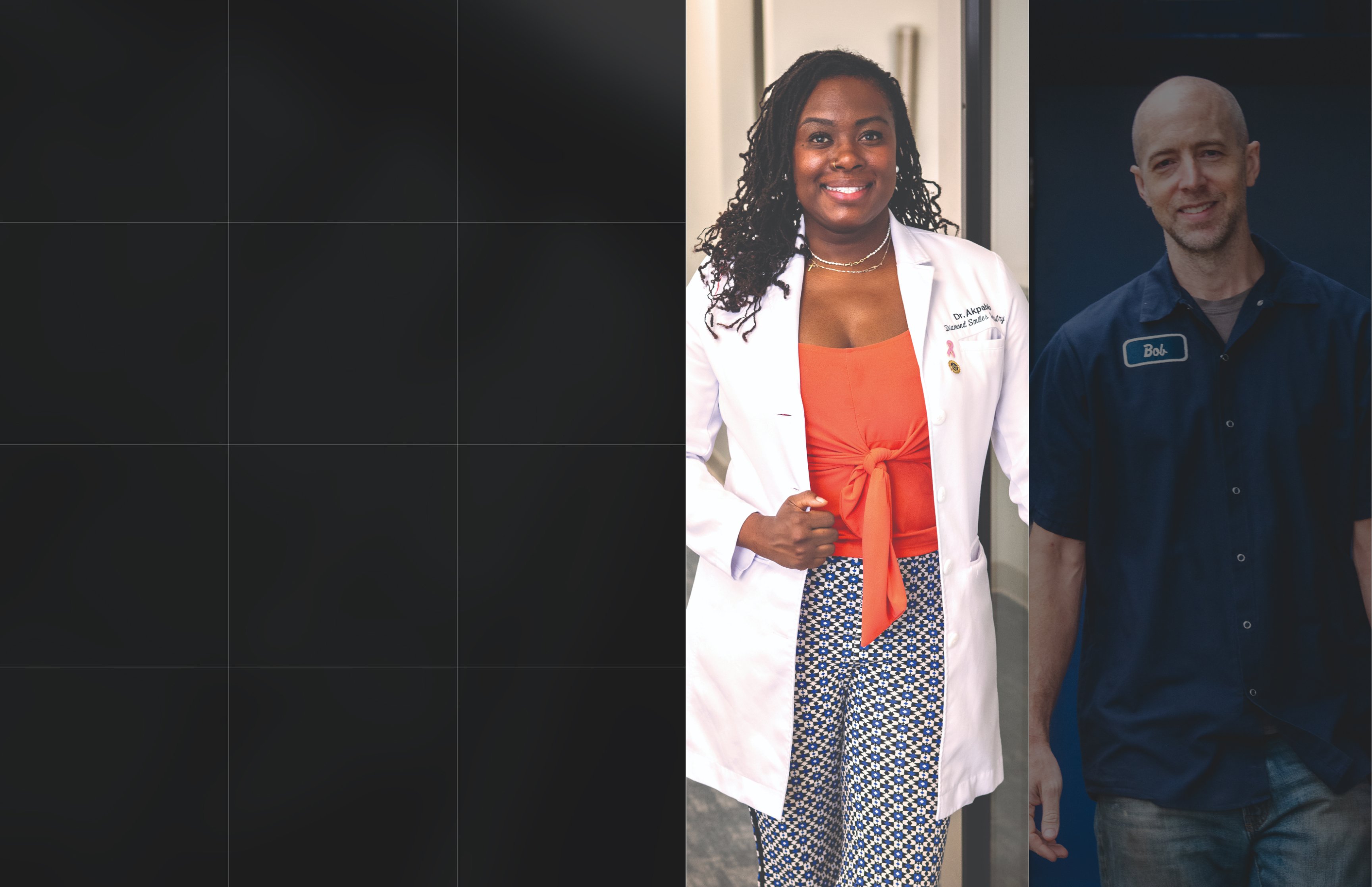
Aisha
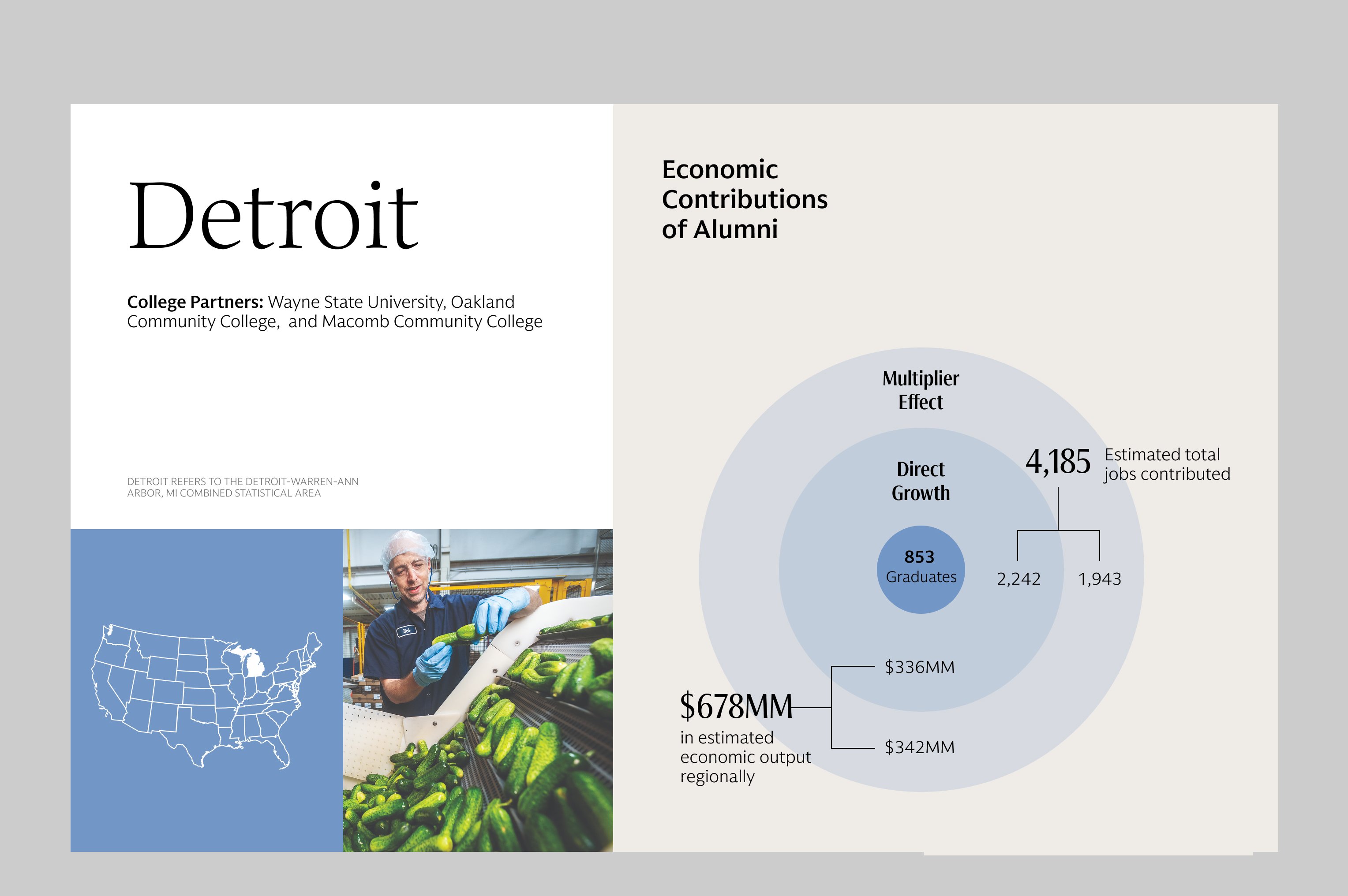
Detroit by the Numbers
Bob
Aisha Akpabio
Diamond Smiles Dentistry DETROIT, MI
10,000 Small Businesses reaffirmed that I’m not just a dentist — I’m a CEO. It gave me the confidence to think big, delegate, and step into my role as a leader who can grow people and a business simultaneously.”
Return to detroit
Ensuring Access to Essential Healthcare
Aisha Akpabio founded Diamond Smiles Dentistry in 2018 with the vision to create a thriving practice and invest in her Detroit community. Aisha had seen firsthand how access to quality healthcare can transform lives, and she felt strongly about contributing to that change in her community.
A Vision for the Community
Aisha enrolled in 10,000 Small Businesses in 2021 with the hope of sharpening her business acumen and gaining a new perspective about dentistry as a scalable and sustainable enterprise, instead of just her profession.
More than a Job
I knew I needed tools, mentorship, and a network that could match my ambition.”
Building Something to Last
After graduation, Aisha pursued expansion—moving the practice from a small five-room office into a 7,000-square-foot facility with ten dental treatment rooms and a section dedicated to medical care. She relished the excitement of growth while experiencing the pressure of developing new systems, team members, and financial practices.
Fast-Paced Expansion
Aisha is proud of the jobs she created, the mentorship she offers to young dentists, and the quality service provided to thousands of patients who may not have had access to care without her practice. She is also working towards one of her initial objectives and core motivators: to build generational wealth for her daughter.
Community Pride and Family Legacy
I believe small businesses like mine are the heartbeat of cities like Detroit. With the right support and investment, we can change not only individual lives, but entire communities.”
McClure’s Pickles DETROIT, MI
What do we do? Where do we want to end up? And then how do we get there? That's what the Goldman Sachs 10,000 Small Businesses program really put into place for us.”
Family Tradition to Successful Business
Bob McClure remembers spending his summers with family making his great grandmother’s pickle recipe. Following the 2008 financial crisis, Bob and his brother decided to take a leap and start McClure’s Pickles to share that joy, building the business from the ground up with family support.
Sharing Joy through Food
When Bob joined the very first cohort of 10,000 Small Businesses in Detroit, he felt it was like “drinking from a firehose.” Since graduating, Bob has grown McClure’s Pickles into a million-dollar business.
Structuring Success
Everybody has something that connects them to family heritage and community, and for us that was pickles."
Family and Community
When Bob and his brother approached their parents about taking the family recipe and turning it into a business, their answer was simple: “Absolutely, how can we help?” McClure’s Pickles became a family-owned business built on heritage and tradition. Bob’s parents were the first employees, and when the team struggled to get initial financing, they provided a loan to buy vital equipment. “[My parents] instilled a spirit in us of “it’s all within your reach - you just have to work hard and go out and get it.””
“Work Hard and Go Get It”
Since graduating, Bob continues to be actively involved in the 10,000 Small Businesses program in Detroit. From sitting in on cohort graduations to connecting personally with other entrepreneurs, he continues to find value in the 10,000 Small Businesses network.
The 10,000 Small Businesses Community
I'll just run into people, like at my kids soccer games. Someone came up to me and said, 'Were you in 10,000 Small Businesses too?' And then we started really connecting and helping each other out.”
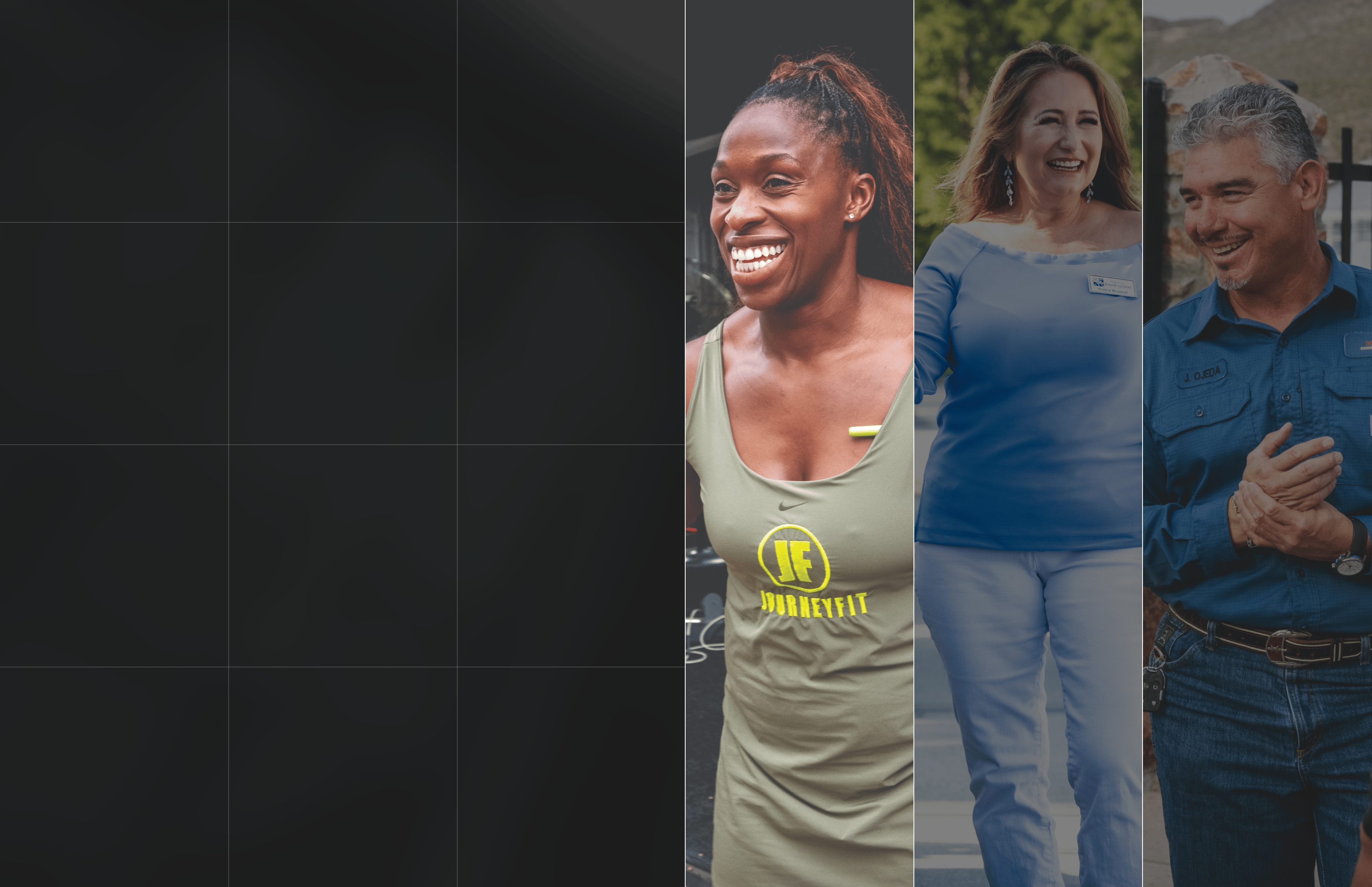
Texas by the Numbers
Victoria
Sonya
Jorge
Victoria Thomas
JourneyFit HOUSTON, TX
My story is the story of entrepreneurship: you have to be able to stay adaptable.”
Return to Texas
Pivots and Shuffles: An Entrepreneurial Journey
Fitness entrepreneur Victoria Thomas began her entrepreneurship journey at 12 years old, selling candy at the Boys and Girls Club. The call of entrepreneurship returned after she graduated from Howard Law School, when her personal passion for fitness began to eclipse her legal career and she started building a personal training clientele. Soon, her fitness business outgrew rented space and so Victoria launched her first gym in 2017, naming it JourneyFit and likening progress in health to growth in faith. Thomas was accepted into the 10,000 Small Businesses program in 2020. “It made me think about everything differently,” she says. Empowered by the curriculum and advisors, she revamped marketing and reoriented her strategy.
The Call of Entrepreneurship
By 2022, she had four gyms across multiple metro areas and had worked with professional athletes and celebrity brands. But as business assistance began drying up post-COVID, Thomas was forced to close her gyms. She pivoted to digital - launching a virtual training app and hosting free community park workouts.
Unexpected Closure and Strategic Redirection
I’ve always been intrigued by the freedom to create that entrepreneurship provides.”
Return to TEXAS
Strength in Community
Throughout her entrepreneurial journey, the 10,000 Small Businesses network has helped advance Victoria’s success. She has tapped several other program alumni for key business needs, like the architect who previously designed her gyms. Her business advisors in particular have been powerful advocates, supporting her during COVID and connecting her with an investor network.
“Amazing Connections”: the 10,000 Small Businesses Network
Victoria has also found strength in her family’s support. When her gyms were located 300 miles apart, she often had to miss family events. But her family has rallied around her, with nieces and nephews interning and family staying late, providing “the kind of help you can’t pay for” she says. Victoria is also proud that she could buy her mother a first home with her earnings from JourneyFit.
Family and Entrepreneurship: the Help You Can’t Pay For
I’m motivated to be a beacon in this health shift we are experiencing; I want to lead people into restoring their health back.”
Amazing Window Cleaners MONTGOMERY, TX
10,000 Small Businesses had a vested interest and you could feel it. They want you to succeed, and they start with you where you are.”
Building a Better Option
When Sonya Brazeal hired a window cleaner in January of 2020, she had no idea it would change her life. While the product was great, the experience was terrible. She recognized there was an opportunity to start a business that delivers both excellent service and a great product. Sonya and her husband, an Air Force veteran, got right to work building Amazing Window Cleaners, focused on delivering exceptional service to her community.
From a Tiresome Task to a Thriving Business
We had our first client in April of 2020, and we've been in business ever since. And now we have over 3,000 clients in our database.”
Cultivating Confidence and Connections
Prior to joining the program, Sonya “hated asking for money.” But through the program, Sonya built the skills and confidence to successfully pitch her business and attract funding. She credits the program’s faculty with giving her the tools and resources necessary to refine her funding pitch.
Gaining Financial Confidence
A key differentiator for Sonya was creating a business that could give back to the community. 10,000 Small Businesses showed her that “it's not just about networking…it's relationship building and it's perspective.” With her business, Sonya has built a culture of caring, going above and beyond to identify her customers' needs and support community causes. Recognizing how important the education she received from the program was, Sonya and her husband pay it forward by donating to local youth scholarships.
A Business Built on Relationships
I don't think I would've had the know-how to create that or it would've taken me a lot longer if I had not gone through the program. Now, I'm ready to finally use my funding pitch and know what I'm asking for and how to ask properly.”
HAWK Construction EL PASO, TX
The program is about the growth opportunity. It's not so much about what you're doing already, it's about what you can do to expand your business.”
Learning to Become an Entrepreneur
Jorge Ojeda considers himself a lifelong learner. As a child growing up in West Texas and Mexico, he learned what it meant to be an entrepreneur. After earning a scholarship to study civil engineering at the University of Texas, Jorge launched a career working for others, but he never lost the entrepreneurial spirit he inherited from his parents.
A Heritage of Entrepreneurship
When the time came, Jorge was ready; he started HAWK Construction and has since built it into a profitable construction business supporting 95 employees.
The Right Time
Whenever I came across a management book or a business startup book, I would read them. I researched starting my own business for years, and I was preparing myself for when the time came."
Strategy and Growth
When Jorge discovered the 10,000 Small Businesses program, he immediately knew it was for him. He was drawn to the structure of the program, particularly its focus on strategy and growth. Jorge credits 10,000 Small Businesses with allowing him to learn what he needed to add to his skillset; with his new perspective, Jorge was able to not only build a growth plan, but execute it.
A New Perspective
At the time of the program, HAWK Construction was strictly a concrete contractor. Through the program, Jorge recognized an opportunity to get into the utility industry and structured his growth plan to focus on building that aspect of his business. The program allowed him to dedicate the time and energy to build the strategy to expand into that industry, and utility-related work now makes up almost 50% of HAWK Construction’s business and supports more than 25 employees. “I don't know if I would've pursued utility work if I wasn't in the program. I don't think I would've been able to dedicate myself and to structure my thinking enough to develop the idea on my own.”
Executing a Growth Strategy
Because of all the modules, the marketing, the finances, the planning, I became aware of what I was missing and that opened up the horizon.”
Salt Lake by the Numbers
Lucy
Casey
Red Iguana SALT LAKE CITY, UT
Leadership became important to me when I went through 10,000 Small Businesses…right now, I want to make sure the restaurants stay relevant and special so that when people come, they feel better about life.”
Return to salt lake
Building a Legacy Business
Lucy Cardenas grew up in her family's restaurant on the west side of Salt Lake City, passing out menus, washing dishes, and helping out wherever she could. In 2005, after a career leading other restaurants, Lucy bought the Red Iguana from her father and immediately began reworking the business.
A Fresh Twist on a Family Business
Over the past 20 years, Lucy has diligently led the Red Iguana to visible success as an iconic Utah staple. Over the years, she has found ways to adapt and strengthen the business, overseeing the businesses’ growth from ~50 employees at one location to ~200 employees across two locations. “It's been a long haul. But it's a family business. It is a labor of love."
A Labor of Love
I dove right in and started running the place and turning it into the kind of restaurant I wanted it to be.”
Growing a Neighborhood Staple
Lucy enrolled in 10,000 Small Businesses in 2016 and immediately began to feel its impact. At the time, the Red Iguana was known as a successful neighborhood gem, but was hampered by growing pains. Learning in community with other business owners prompted new insights.
Learning to Lead
In 2019, Red Iguana experienced its most financially successful year to date—and then the pandemic hit. Lucy closed both locations for months, but the knowledge and skills she had gained prepared her to be resilient. Her entire team stayed on and made sure the restaurant survived. Now, the Red Iguana continues to flourish, and has even been featured in The New York Times. Lucy and her family are enjoying full lives in and outside of the business—recently celebrating her father’s 92nd birthday at the restaurant with the full team and four special cakes.
Surviving the Pandemic
It was exciting to be with other business owners and talking about our challenges. We all came from different backgrounds and different businesses, but we all sort of had the same challenges.”
Ferreus Industries salt lake city, ut
Seeking Confidence During Hardship
Casey Bevan’s journey to entrepreneurship began in high school when she and her partner started a videography business that specialized in wedding films. A few years later, they sold the videography business and took over the operations of a separate family business.
Early Interest in Business Ownership
In 2001, Casey co-founded Ferreus Industries, specializing in sheet metal fabrication for aftermarket automotive products. After early success, she enrolled in 10,000 Small Businesses amid a number of challenges with a business that had stalled.
Searching for Guidance
A few months before starting the program I wanted out of the company. I felt like it was a weight constantly pulling me down and it was out of my control to change it.”
From Self-Doubt to Self-Assurance
Despite the challenges, Casey was soon drawn to the opportunity to improve her financial management skills. With the support of her business advisor, she created an ambitious growth plan and fought her nerves to successfully deliver her final presentation.
Building Skills Sparks Passion
After graduating from the program, Casey became Ferreus' President and CEO and has grown the business from $1.4MM in revenue to approximately $6MM.
From Partner to President and CEO
If there was a pivotal moment in my life it was giving the final pitch of my growth plan. They told me I was a rockstar. For the first time I felt like maybe I can do this. I walked into the building as one person and walked out as another.”
MontanaMontana
Montana by the Numbers
JESSICA
Derek
Mark
Dino Drop-In BOZEMAN, MT
My confidence is much higher since starting the program, and I have succeeded beyond my end goals. I have now purchased over $3MM in properties and rent half of my space from myself.”
Return to montana
From Obstacle to Opportunity
As a working mother, Jessica Dehn struggled to find childcare that was both flexible and high quality. So, she resolved to build the solution herself. In 2016, Jessica launched Dino Drop-In to provide parents with a tailored childcare offering.
Revolutionizing Child Care
Based in Bozeman, MT, Jessica benefited from a supportive community and was looking for more advanced business training. As her small business scaled to four locations, Jessica found her “next-level opportunity” with Goldman Sachs 10,000 Small Businesses.
Seizing the “Next Level Opportunity”
When you come from a rural area and then are exposed to the national level, you’re thinking it’s so different. It’s good to see there’s other ways of doing things.”
No More Playing Small
Jessica’s greatest takeaway from the program was permission to think bigger. Joining a community of entrepreneurs gave her the confidence to take her business to the next level.
Confidence in Negotiating
Passionate about revolutionizing child care, Jessica works to resolve what’s often called a “broken market,” where parents cannot afford services and yet providers earn too little. She has found purpose advocating for local solutions in Montana and for nationwide efforts in Washington, D.C.. She strives to help business leaders see the strategic value of offering care-related employee benefits.
Advocating for an Essential Service
I had the guts to purchase a multi-million dollar building and start building my real estate holdings. I have partnered with much bigger players and am writing grants for millions rather than playing small.”
Derek DesRosier
Sun Tours EAST GLACIER PARK, MT
Entrepreneurship is part of who I am. Because of 10,000 Small Businesses, I feel more confident starting my next business when that time comes.”
Complementary Strengths
Despite earning a degree in entrepreneurship, Derek DesRosier didn’t envision a future in his family’s business, Sun Tours, an Indigenous-led tour company focused on Glacier National Park and the nearby Blackfeet Reservation. But after moving from bus washer to shuttle driver to cultural interpretive guide, Derek joined his father Ed in leadership as general manager.
Pivoting to Join the Family Business
Derek completed 10,000 Small Businesses in 2023 after learning about it through the American Indian Alaska Native Tourism Association. Soon, he saw the program as an applied mini-MBA, with practical lessons he immediately put to work—such as shifting Sun Tours out of sole proprietorship status. The focus on a growth plan also sparked new business ideas for him and for Sun Tours.
An Applied Education
My Dad’s vision, passion, and pride in our culture set the tone, while I work to improve operations. We each bring something different.”
Connecting Cultures
Sun Tours’ strength lies in its unique, values-driven perspective: Glacier has been a national park for more than a century, but home to the Blackfeet people for more than 20,000 years. Through humor and storytelling, Sun Tours guides connect visitors to culture, history, and land. “There’s never a bad day in the mountains. Our stories come alive in the landscape,” Derek says. He’s proud to work with and employ members of the Tribe and contribute to local economic growth and Indigenous-led tourism.
Leading with Legacy
Last year, Sun Tours experienced record demand, but the road hasn’t always been smooth. When Ed launched the business in 1992, he faced a legal battle—one that nearly reached the Supreme Court—before finally securing concessionaire status. Today, Sun Tours remains one of the few Native-owned national park concessionaires. Despite challenges such as budget cuts and shifting regulations, Derek and Ed remain focused on their mission.
Steady Amid Challenging Headwinds
We recognize these trips are once in a lifetime for many visitors—we want to help them connect to the broader landscape and the perspective that isn’t always told.”
Stosich Inc. LIMA, MT
I learned how to build more than what I can do directly with my hands—to scale up the business.”
A Community Cornerstone
As a self-described “rebellious child,” Mark Stosich never thought he would be running the family fencing business. But twenty years later, he leads Stosich Inc. and has recruited his wife, father-in-law, nephew and son to join too. With 250 residents, Lima, MT, counts Stosich Inc. as one of its largest employers, giving the company an outsized impact not only on Mark’s family, but his local community.
An Outsized Impact
Mark heard about the 10,000 Small Businesses program from a client who was formerly a Goldman Sachs employee. He found value right away: the curriculum helped him understand the seasonality of his funding and how to better attract his target customer. And he loved interacting with business owners from a variety of backgrounds. Ultimately, his biggest takeaway was to not only work in the business, but on the business, scaling his efforts.
Learning From a National Cohort
We went over how to read a financial statement in the program, and the program really made me focus on how money is seasonal in my business. I can plan better now.”
Creative Problem Solving
A few years ago, Mark’s dad, the company’s original founder, passed away. But Mark has continued his legacy of innovation. “Something I inherited from my dad is scrappiness. Other contractors would buy equipment and attachments…but dad went and made his own machine.” Now on the fourth model of the fencer machine, Mark draws strength from his family’s legacy of entrepreneurship.
A Legacy of Innovation
Mark has also channeled his creativity toward a local sustainability challenge: managing the growth of invasive trees, weeds that choke out native sagebrush and overconsume water. Through a partnership with a nature conservation organization, Mark used these invasive trees to develop a stacking log fence for a local horse refuge, a design he will likely repeat as he continues to creatively solve problems.
Advancing Sustainability through Creative Reuse
Dad would be proud of me and is with me, inspiring me still. I feel that he is still involved…the business is more than providing the daily essentials for my family. It’s adding value for customers and the community.”
Regional Impact: Case Study Map