

Perspectives on Leadership Excellence from Goldman Sachs Black Leaders
This Black History Month, we recognize the impact of Black leaders at Goldman Sachs who are shaping the firm through their vision, expertise, and commitment to excellence. Read insights from Sebastian Gavor, Corporate Treasury; Marene Jennings, Asset & Wealth Management; and Craig Smart, Global Banking & Markets.
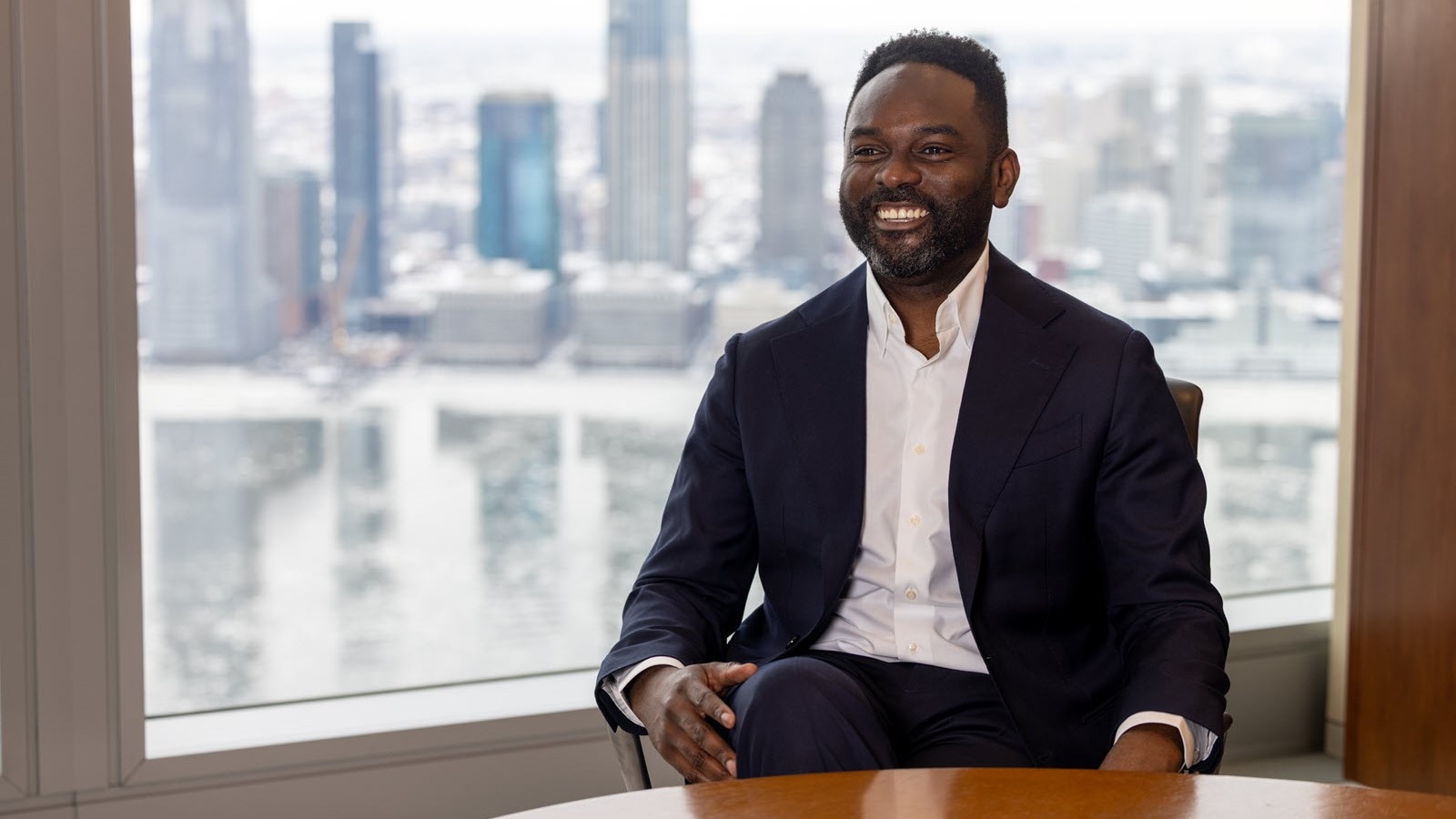
Sebastian S. Gavor
Managing Director, Global Head of Funding and Resource Deployment, Corporate Treasury
In a highly specialized area like Corporate Treasury, how do you identify, develop, and empower top talent?
We look for people who ask second-order questions when others are comfortable with the first answer, and who demonstrate extensive range in the execution of their mandate. We focus on expanding judgment before expanding scope, putting high-potential talent close to real decisions — exposure to live funding choices, stress scenarios, and trade-offs that have no perfect answer. We give our people end-to-end responsibility for clearly bounded problems, empowering them to own not just the analysis, but also the narrative, the risks, and the recommendation. Credibility is the currency of advancement in our organization, so it is important that we create paths for our top professionals to earn influence by consistently demonstrating sound judgment under pressure.
Your role depends on close collaboration across core businesses. What makes collaboration at Goldman Sachs truly effective?
The firm brings together people who are not just deep experts in their own domains, but just as importantly, curious about how their piece fits into the whole. Collaboration works because individuals come to the table having done the work — on the numbers, the risks, the constraints — so conversations start at a high level of substance rather than surface alignment. It allows the firm to turn complexity into better decisions.
From starting as an analyst to becoming a managing director, how has mentorship shaped your career, and how do you mentor rising leaders now?
Mentorship has been foundational at every stage of my career. As an analyst, having senior leaders who took the time to provide context and not just direction, helped me develop judgment, confidence, and a long-term view of my career. As I progressed, mentorship shifted from technical guidance to sponsorship — leaders who advocated for me, pushed me into stretch opportunities, and held me to a high standard. Now, as a leader, I try to pay that forward by being intentional about mentoring our junior professionals. That means giving frequent, candid feedback, creating exposure to decision-making, and actively sponsoring people for opportunities where they can build judgment and visibility.

Marene Jennings
Managing Director, External Investing Group, Asset & Wealth Management
Over your 22 years at the firm, what’s the biggest shift you’ve seen in client needs – and what’s remained constant in how you serve them?
Clients have access to more insights from AI, the internet, and investment-focused publications so they are inundated with more information than before. However, the curation and interpretation of that data requires experienced professionals who know the global markets over cycles and know how to evaluate various investments over different time horizons. The first Goldman Sachs business principle, which I learned during Summer Associate training, is “Our clients' interests always come first.” That orientation has never shifted for me over the last 22 years and is key to the work I do every single day.
How do you see diversity of thought directly strengthening our commercial edge and client relationships in investing?
Diversity of thought and perspective has been proven to generate better outcomes. I believe that a wide range of insights ensure we aren’t missing blind spots that we might have as individuals and usually leads to enhanced creativity and innovation. As an investment professional, I always want access to the best thinking for my clients. I am happy to have someone challenge my investment view with good, compelling data so I can make an even better decision.
How do you build and sustain a culture of excellence within your team?
I believe in the player/coach model of team building, which aligns with the apprenticeship culture of Goldman Sachs. If I don’t model excellence in my own behavior, how can I expect my team to do so? My goal is to pass along the insights that I have gleaned over two decades from wonderful Partners and managing directors to my own team to continue our goal of strong investmentperformance matched with excellent client service. Goldman Sachs has been successful for over 150 years because the ethos of the firm (Partnership, Client Service, Integrity, and Excellence) has been passed down generation to generation.
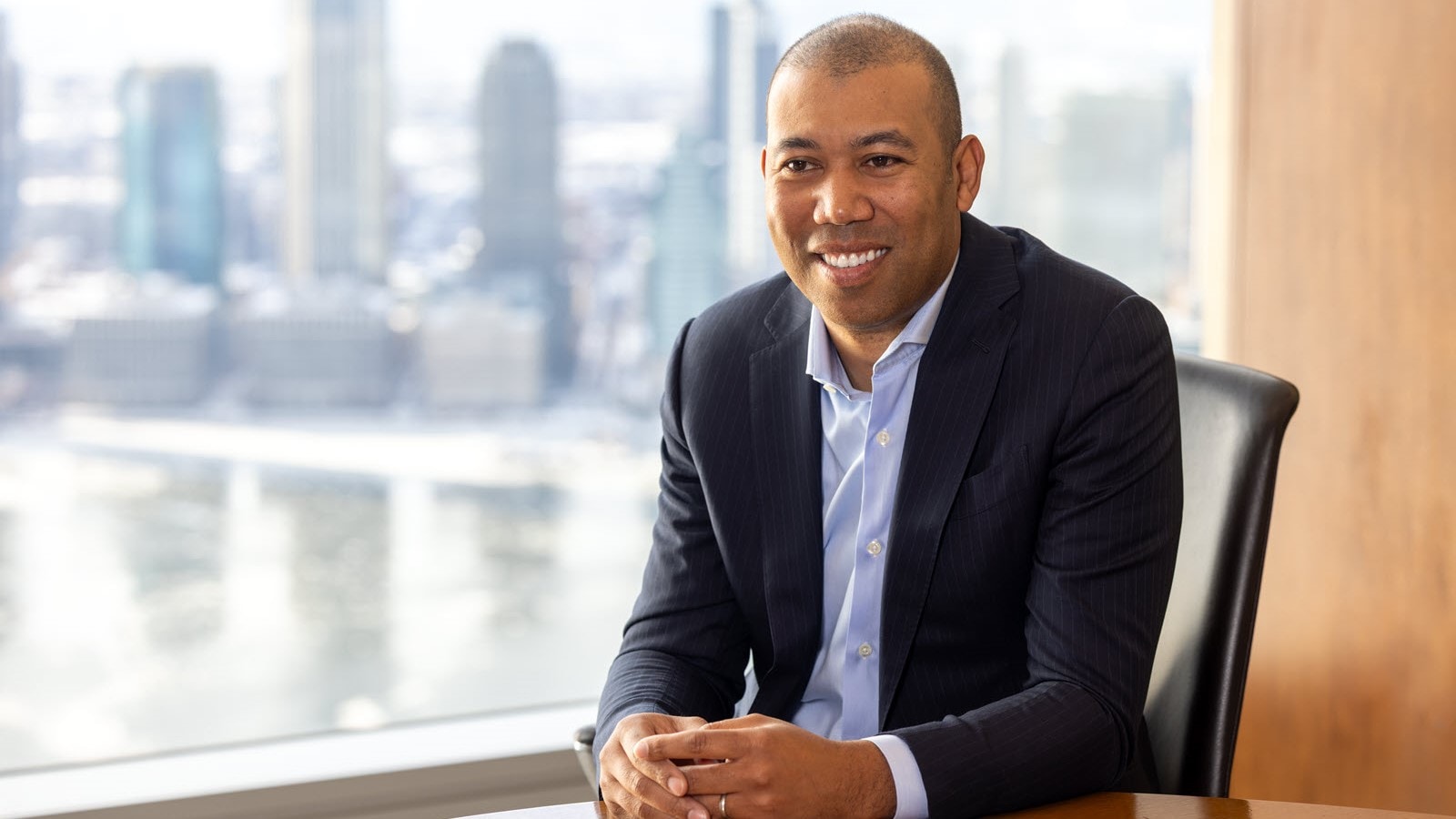
Craig Smart
Partner, Investment Banking Healthcare Sector, Global Banking & Markets
Which emerging healthcare trends excite you most, and how is Goldman Sachs helping clients lead in them? How does your team stay adaptable and forward-looking?
The most exciting trend emerging in Healthcare right now is the impact of AI and how that can be used to fundamentally transform the way care is delivered and how business models operate. From advanced diagnostics to drug development and personalized, precision treatment, AI has the ability to significantly change the lives of many. Additionally, business models are rapidly adopting AI to deliver a better patient experience which in Healthcare has lagged compared to other industries. As a team, we continue to invest time with our clients to gain a deep understanding of the various use cases in their respective businesses and help them think strategically about both organic and inorganic investments that can create long-term value for their customers and shareholders.
Which leadership skill do you see as most critical for serving clients in the next decade?
The most critical leadership skill for serving clients is building trust. It’s one of the most difficult things to earn and once it’s broken, it’s usually gone forever. As we look to build relationships with clients, we look to earn their trust through being transparent and providing the right advice, which isn’t always what they want to hear and can sometimes mean not pursuing a specific transaction at that time.
What is the most impactful way the firm and its leadership are helping to upskill junior talent into future commercial leaders?
Goldman Sachs, unlike any other firm I have been a part of, makes significant investments in developing junior talent and preparing them for future commercial success. Through both formal and informal training and mentorship programs, the firm continues to create opportunities for our junior talent to take on greater responsibilities and build critical technical and management skills that will serve them well as they ascend the firm.
Subscribe to Briefings
Our weekly newsletter delivers the latest insights on economic forces shaping markets—from Goldman Sachs leaders, economists, and investors around the world.
By submitting this information, you agree that the information you are providing is subject to Goldman Sachs’ Privacy Policy and Terms of Use. You consent to receive our newsletter via email.