

Energy
The Power Industry May Need More Than 750,000 New Workers by 2030
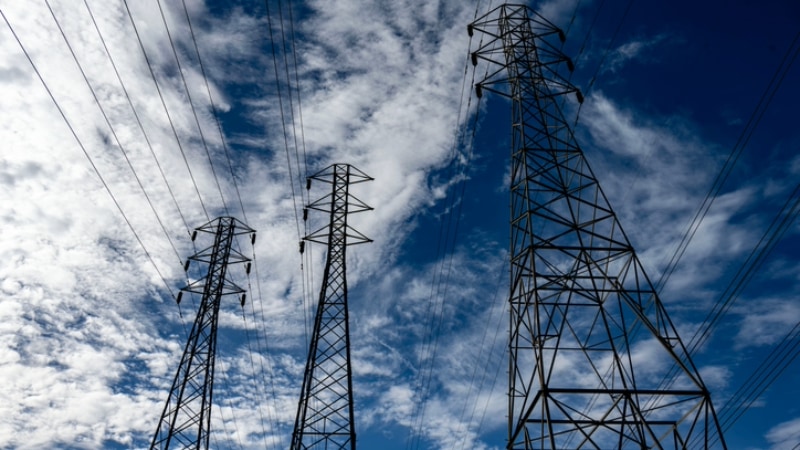
A push to electrification, industrial activity, and the acceleration of the data center sector are together sparking a generational growth in global power demand. As a result, the power sectors in the US and Europe may see a rising risk of a labor crunch as they attempt to meet this surge in demand. Goldman Sachs Research estimates that the US will need to fill around 510,000 new jobs to satisfy the need for additional power; for the EU, the corresponding number for power generation is around 250,000.
“This new labor demand comes within a backdrop of an already tight labor market, adding potential constraints to the rate at which power demand can grow,” writes Evan Tylenda, head of EMEA for GS SUSTAIN at Goldman Sachs Research. “Access to talent and labor is set to become a competitive advantage, particularly if the active pipeline of apprentices in the US is insufficient to meet the new labor demand we forecast.”
How much electricity does the US need?
Goldman Sachs Research expects a 2.5% compound annual growth rate (CAGR) increase in power demand between 2023 and 2030, with data centers making up 1 percentage point of that rate. Across various types of power generation, our analysts estimate capital expenditures of $444 billion on US electricity generation through 2030.
Much of this investment will go towards building out renewable energy sources, replacing aging infrastructure, and accommodating the growth in the grid’s power load. The total spending on power transmission in the US alone is expected to be around $302 billion between 2024 and 2030.
In Europe, similarly, power demand is expected to increase by 3.5% CAGR from 2023 to 2030, with a particular focus on renewables. Solar and wind generation capacity in the EU is expected to grow at 11.4% CAGR during the same period.
Why the power sector needs more workers
The surge in power demand requires more labor in general as well as more skilled labor in particular.
For power sectors to expand their base of renewables, they’ll need more workers. Renewable sources of power are over 2.5 times more labor-intensive than fossil fuels on average across their lifecycle, from manufacturing through construction and installation to operations and maintenance.
Further labor demand will come from the transmission and distribution industries—especially since renewable energy sources are often located farther from the areas they serve.
The US is expected to have 300 gigawatts (GW) of additional power generation capacity by 2030; Goldman Sachs Research’s estimates suggest that 207,000 additional electricity transmission and interconnection workers will be needed to facilitate that capacity. Manufacturing, construction, and operations of power technologies in the US will need another 300,000 jobs. In Europe, our analysts estimate that around 250,000 incremental jobs are required by 2030 to meet the expected demand for electricity.
With renewables, the construction of power projects in the US and the operation and maintenance of such projects in the EU come with lower-risk labor challenges, in our analysts’ view. This is because of the relatively low level of training and skilling required as well as the greater potential for automation of such work. On the other hand, work on electricity transmission requires a higher level of training, so it presents a greater potential labor challenge, according to Goldman Sachs Research.
The skilled labor shortage in the power sector
In the US and Europe, labor shortages are causing growing risks for companies. Worker shortages contribute the largest source of project delays, according to the AGC 2024 Workforce Survey. The energy sector, too, is experiencing some of these constraints.
In the US, more than half of current utilities workers have less than 10 years of experience, according to the Center for Energy Workforce Development survey in 2023. The run rate of active energy-related apprenticeships—at 45,000 in 2024, as logged by the US Department of Labor—implies a needed rise to 65,000 per year to meet the expected increase of 207,000 workers needed (386,000 with retirements) in transmission and distribution.
Similarly, “Europe is seeing growing job vacancies for construction and energy roles, with shortages of key technical talent,” writes Tylenda. One out of three electrical engineers in the EU is aged 50 or over, and job vacancy rates in the utilities sector surpass economy-wide vacancy rates.
How companies tackle these labor shortages could define new competitive advantages, Tylenda writes. Larger companies with scale could become employers of choice, as could those “proactively investing in training, apprenticeship, re-skilling and up-skilling programs,” our analysts write.
Declining labor forces could also drive the need for more industrial automation, particularly in building and running power technologies, which require a relatively lower level of skill when compared to working on electricity transmission and grid connectivity.
This material is provided in conjunction with the associated video/audio content for convenience. The content of this material may differ from the associated video/audio and Goldman Sachs is not responsible for any errors in the material. The views expressed in this material are not necessarily those of Goldman Sachs or its affiliates. This material should not be copied, distributed, published, or reproduced, in whole or in part, or disclosed by any recipient to any other person. The information contained in this material does not constitute a recommendation from any Goldman Sachs entity to the recipient, and Goldman Sachs is not providing any financial, economic, legal, investment, accounting, or tax advice through this program or to its recipient. Neither Goldman Sachs nor any of its affiliates makes any representation or warranty, express or implied, as to the accuracy or completeness of the statements or any information contained in this material and any liability therefore (including in respect of direct, indirect, or consequential loss or damage) is expressly disclaimed.
© 2025 Goldman Sachs. All rights reserved.
Subscribe to Briefings
Our weekly newsletter delivers the latest insights on economic forces shaping markets—from Goldman Sachs leaders, economists, and investors around the world.
You can unsubscribe at any time. For information about how your personal data will be used, visit Privacy Information and Resources.