
Markets
How Indonesia Drove a Rally in Nickel
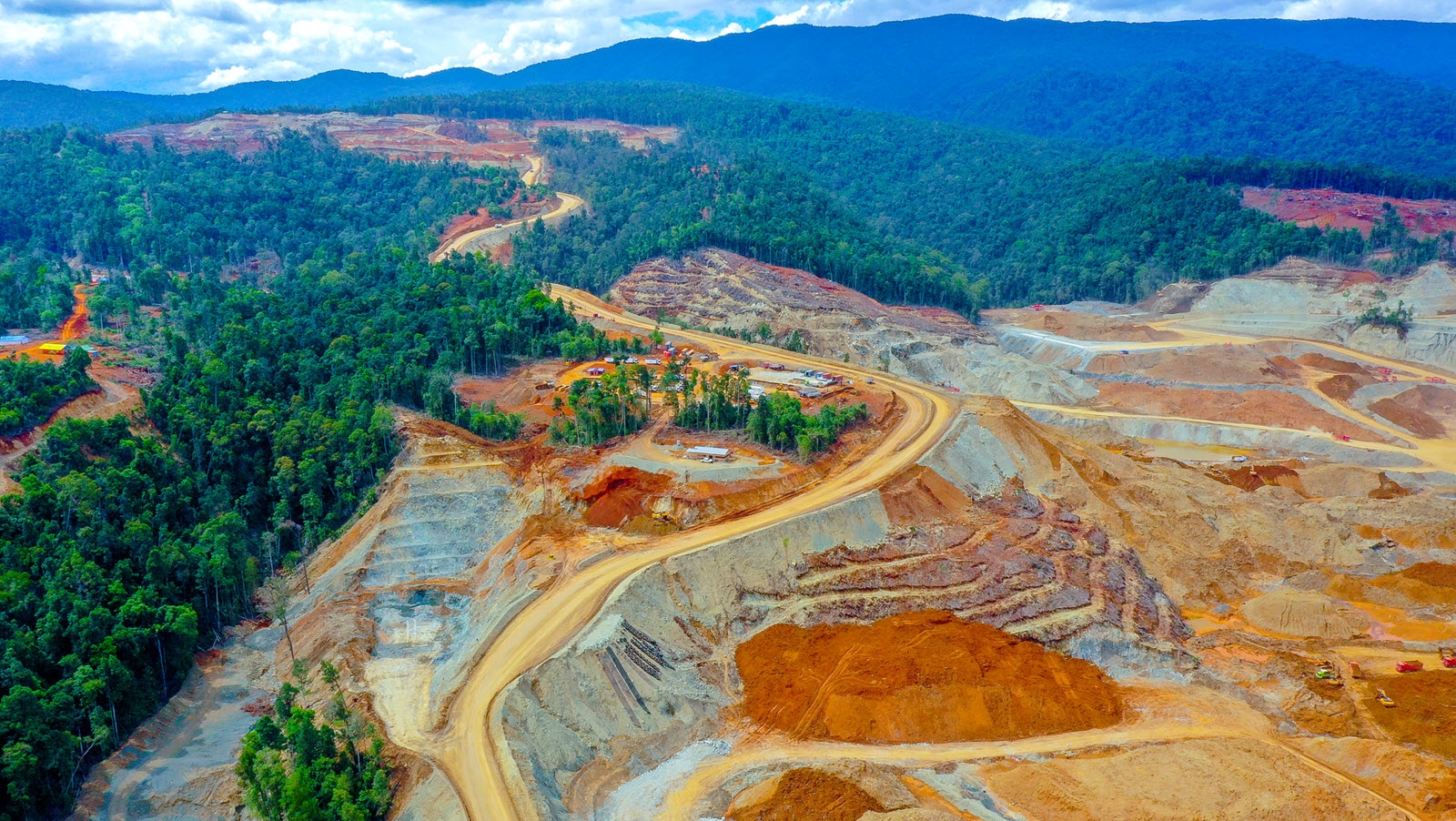
- Indonesia, which controls more than 60% of the global nickel mining supply, spurred a rally by signalling constraints on the supply of the metal.
- Goldman Sachs Research upgraded its forecast for nickel after prices rallied more than 30% from mid-December to a January peak of $18,700 (prices have eased back to around $17,000 currently). Our analysts expect the metal to level off after Indonesia relaxes constraints.
- While Indonesian policy is constraining nickel’s ample supply, the situation contrasts with copper's long-standing supply constraints.
- Aluminium is expected to face supply-driven pressures as Indonesian capacity ramps up and pushes the market into surplus.
Nickel, which is used to make stainless steel and is an ingredient in electric vehicle batteries, has climbed sharply in recent months, amid a broader rally in metals and renewed investor focus on these assets.
The base metal jumped more than 30% between mid-December and January. Lavinia Forcellese, a commodities analyst with Goldman Sachs Research, expects prices to remain supported in the near-term. In early February, the team raised their 2026 forecast for nickel prices by 16%, to an average $17,200 per tonne. The metal traded at $17,040 on February 16.
The key reason: Indonesian policies restricting how much ore can be mined. “Indonesia’s supply decisions are the lever the market is watching,” Forcellese says. “The late December-to-January rally highlighted how central Indonesia is to the market.”
We spoke with Forcellese about how Indonesia became so influential, why nickel’s investment thesis differs from that of copper, and why aluminium may follow its trajectory.
Why does Indonesia hold so much sway over the global nickel market?
The main reason is that Indonesia now accounts for more than 60% of global nickel mine supply. Over the years, Chinese investment has supported Indonesia’s expansion in nickel processing capacity, reinforcing the nation’s growing influence on the market.
Now Indonesia’s supply decisions are the lever the market is watching. And relatively small changes in policy or approvals can have an outsized impact on global balances and prices. In December, Indonesian officials announced plans to cut production. The market reacted quickly to signals of tighter supply. The December-January rally highlighted how central Indonesia has become to the nickel market.
Is this why you increased your 2026 nickel price forecast to an average of $17,200 per tonne from $14,800 per tonne in January?
There are two drivers behind this upgrade in prices. First and most importantly, we expect tighter Indonesian ore supply in the first half of the year, which supports higher prices. And second, the cost floor for nickel has risen. The marginal cost of production—essentially what it costs the highest-cost producers to keep operating—is now higher than we were forecasting last year. This means prices are less likely to fall as much as we previously expected, even when supply recovers later in the year.
We expect Indonesia to supply around 260 million wet metric tonnes in the first half of the year. (Ore volumes are quoted in wet metric tonnes, i.e., as-shipped ore tonnage including moisture, rather than nickel content.) This represents an 11% reduction in mine supply. And because Indonesia has so much leverage, that reduction tightens the market. This combination of first half tightness and a higher cost floor is what drives our forecast of an average $17,200 per tonne for 2026.
What is the 2026 RKAB process and why is it so important for nickel investors?
RKAB is Indonesia’s annual mining workplan and budget approval, which sets how much ore each company is allowed to produce. Under Indonesian mining regulations, companies submit these annual ore production plans to the Ministry of Energy and Mineral Resources for approval before the year starts. As the year progresses, miners can request revisions to increase their quotas. These supplementary requests are often approved by the government. So, there is scope for easing later in the year.
What’s important is that the government has moved from a three-year approval process to annual approvals. This makes the system much more responsive because the quotas can be revisited much faster. The move is designed to curb oversupply and stabilise prices by giving the government more control over nickel supply. That's the logic behind the policy.
Shifting gears, what trends are driving demand for nickel?
Stainless steel accounts for about two-thirds of the market, and batteries for electric vehicles (EV) is the fastest growing segment. But recent developments have been less favorable for nickel-rich batteries.
The outlook for nickel demand growth from EVs has slowed in recent years for two main reasons. First, lithium iron phosphate (LFP) batteries, which contain no nickel, have been gaining significant market share, particularly in China. We expect this battery chemistry to continue gaining ground in other parts of the world, including Western markets, where nickel-rich batteries have dominated.
Second, EV sales growth has slowed in the West, where the majority of nickel batteries are used. As a result, we have revised down our expectations for battery-related nickel consumption. It is still trending higher, and we still expect incremental demand growth, but the trajectory is more modest than we were expecting one or two years ago.
Stepping back, how does nickel fit into the broader metals rally?
Nickel is different from other metals because prices have been driven by oversupply concerns and Indonesia’s supply management. That contrasts with copper, which faces genuine resource constraints longer term, as ore grades are declining and the cost to deliver new supply rises, alongside robust demand from the electrification sector. Copper has also had a near-term lift from ex-US market tightness linked to expectations of a US tariff on refined copper.
By contrast, nickel has faced high Indonesian supply against moderating battery demand growth. So, while copper is a long-term story of robust demand versus constrained supply, nickel has been the opposite: supply has been ample, and policy-driven changes in Indonesian output have been the key swing factor.
And we think aluminium is another example of how Indonesia’s rapid capacity growth could pressure the market.
How so?
We forecast Indonesian aluminium production to triple by 2027, from 800 thousand tonnes in 2025 to nearly 2.8 million tonnes. This rapid expansion, along with new supply from other countries, is likely to push the global aluminium market into a significant surplus.
The key factor is that Chinese firms can now build smelters outside China much faster and cheaper than before. We’re seeing this play out in Indonesia with projects already ramping up. This should keep pressure on aluminium prices, which we expect to decline to $2,400/t in 2027 from over $3,000/t currently.
This article is being provided for educational purposes only. The information contained in this article does not constitute a recommendation from any Goldman Sachs entity to the recipient, and Goldman Sachs is not providing any financial, economic, legal, investment, accounting, or tax advice through this article or to its recipient. Neither Goldman Sachs nor any of its affiliates makes any representation or warranty, express or implied, as to the accuracy or completeness of the statements or any information contained in this article and any liability therefore (including in respect of direct, indirect, or consequential loss or damage) is expressly disclaimed.
Subscribe to Briefings
Our weekly newsletter delivers the latest insights on economic forces shaping markets—from Goldman Sachs leaders, economists, and investors around the world.
You can unsubscribe at any time. For information about how your personal data will be used, visit Privacy Information and Resources.