

Markets
HALO Stocks in Emerging Markets Could Extend Rally as Heavy Industries Surge
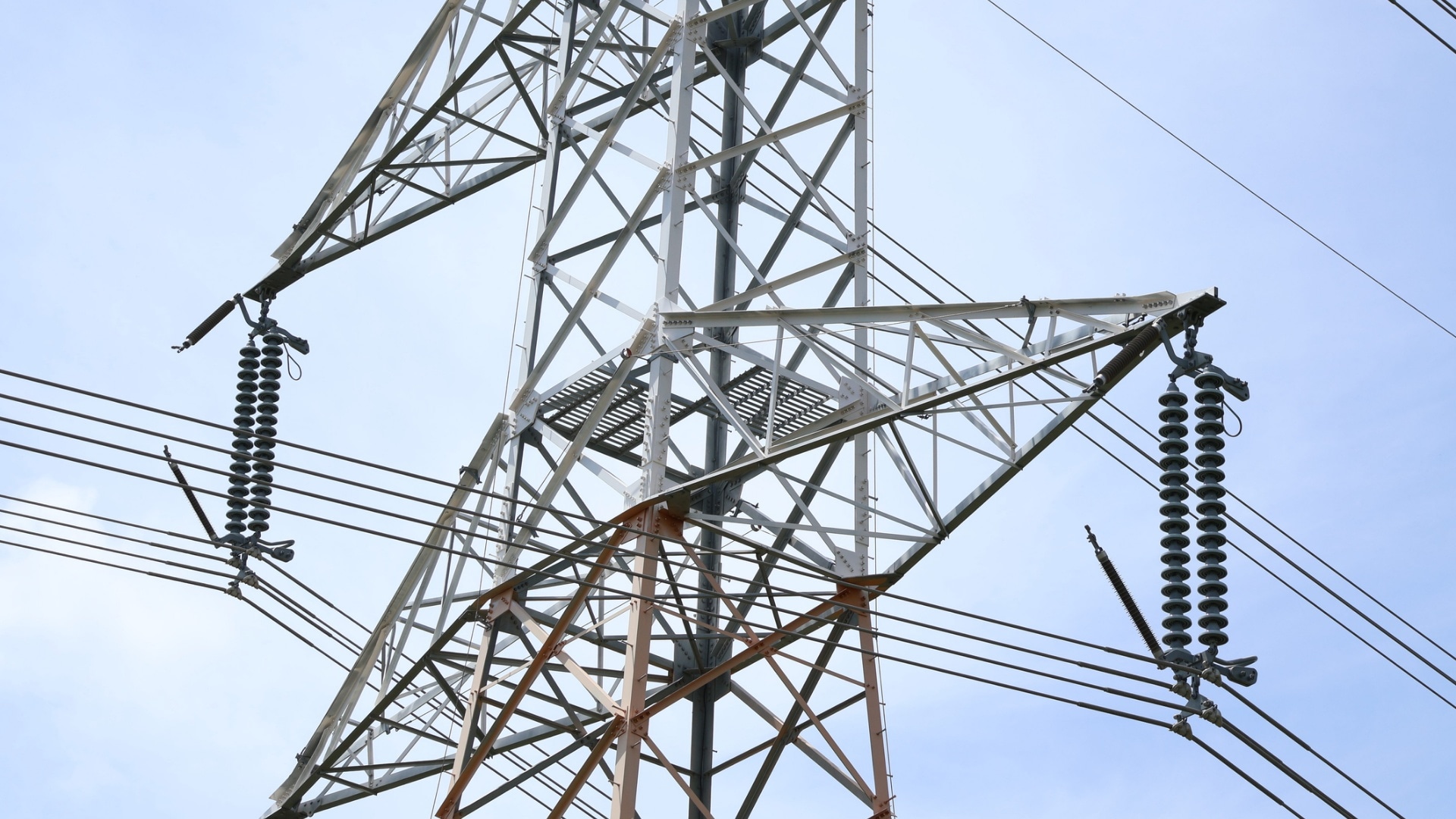
- Companies characterized as heavy assets and low obsolescence, or HALO, are winning favor with investors as the AI boom drives demand for infrastructure assets.
- A basket of capital-intensive stocks in emerging markets would have returned 115% since late 2025, compared to 7% for capital-light equities, according to Goldman Sachs Research.
- Despite recent gains, emerging-market stocks with high capital intensity are trading at a 20% valuation discount to companies considered capital light, even though they have stronger earnings momentum.
Heavy industries are not just picking up momentum in the developed world. In emerging markets, rising demand for stocks linked to electricity grids, utilities, manufactured goods, and other “capital-intensive businesses” is also driving higher returns for equity investors, according to Goldman Sachs Research.
Are HALO stocks in emerging markets a good investment?
A basket of emerging market equities in “capital-intensive” industries would have gained 115% since late 2025, compared with 7% for “capital-light” stocks (as of June 5), write Sunil Koul, the head of global emerging market equities at Goldman Sachs Research, and Tarun Lalwani, an emerging markets analyst, in a report.
Despite the rally, the basket of capital-intensive stocks is trading at a 20% valuation discount to the capital-light one. The former is expected to have greater earnings momentum in 2026 and 2027.
“We expect the outperformance of capital-intensive stocks to persist given stronger fundamental momentum and tailwinds from strategic investments in these sectors due to geopolitical and energy security considerations,” they write. “On the other hand, capital-light businesses in sectors like software and IT services remain increasingly at the risk of disruption from artificial intelligence.”
The upshot: emerging markets companies are getting the same boost from the HALO effect as similar companies in the US, Europe, and Japan, write Koul and Lalwani. Peter Oppenheimer, Goldman Sachs’ chief global equity strategist, says the AI-driven boom in capital expenditures should spur a sustained increase in demand for tangible assets and HALO stocks.
What are HALO stocks?
HALO, which stands for “heavy assets, low obsolescence,” is a label that investors are increasingly attaching to companies that are capital-intensive, highly regulated, and deliver capital goods and services over the long term. HALO companies are in sectors that have high barriers to entry, and their businesses are hard to replicate.
The investment rationale for these stocks also stems from governmental efforts to make critical industries resilient amid geopolitical volatility as well as a broader restructuring of global supply chains, write Koul and Lalwani. This push entails re-industrialization and a surge in defense spending in a number of countries.
Capital-intensive stocks are getting another boost from the investment in physical assets to support the buildout of artificial intelligence (AI).
Hyperscalers are expected to spend trillions of dollars in the coming years on the rollout of data centers worldwide.
“The massive investment in physical assets to support the AI buildout and US reindustrialization remains an ongoing tailwind for capital intensive stocks,” the analysts write.
On the flip side, the adoption of AI has dented investors’ confidence in the long-standing growth trajectory of capital-light sectors such as software, media, and internet services. A pair of Goldman Sachs Research’s custom baskets highlight the trend: this year a basket of European capital-intensive stocks (GSSTCAPI) has significantly outperformed a capital-light basket (GSSTCAPL).
Which emerging market stocks are getting the biggest boost from HALO demand?
The pattern is also visible in emerging markets.
In line with Goldman Sachs Research’s approach to European stocks, Koul and Lalwani created a “Capital Intensity Score” for stocks in the developing world by blending six metrics, including fixed asset share and capital expenditure load.
Applying the model, the analysts found utilities, energy, and telecommunications to be the most capital-intensive sectors, and they compiled a basket of 80 stocks in those industries. China, South Korea, and Taiwan accounted for more than two-thirds of the companies in the capital-intensive basket, which included semiconductor makers. They did the same with 80 stocks in the lightest sectors, which had a large share of stocks from the software, internet and media, and consumer retail industries.
The key driver of outperformance in the capital-intensive group over their lighter peers was better earnings, according to Goldman Sachs Research. The consensus of analyst expectations for the next 12 months of earnings per share has risen 45% this year for the capital-intensive basket. That measure has been flat for those in the capital-light category.
This article is being provided for educational purposes only. The information contained in this article does not constitute a recommendation from any Goldman Sachs entity to the recipient, and Goldman Sachs is not providing any financial, economic, legal, investment, accounting, or tax advice through this article or to its recipient. Neither Goldman Sachs nor any of its affiliates makes any representation or warranty, express or implied, as to the accuracy or completeness of the statements or any information contained in this article and any liability therefore (including in respect of direct, indirect, or consequential loss or damage) is expressly disclaimed.
Subscribe to Briefings
Our weekly newsletter delivers the latest insights on economic forces shaping markets—from Goldman Sachs leaders, economists, and investors around the world.
You can unsubscribe at any time. For information about how your personal data will be used, visit Privacy Information and Resources.